08 October 2026 · Component review
Changing one furniture component:
what needs reviewing again?
Use the Change Review Record ↓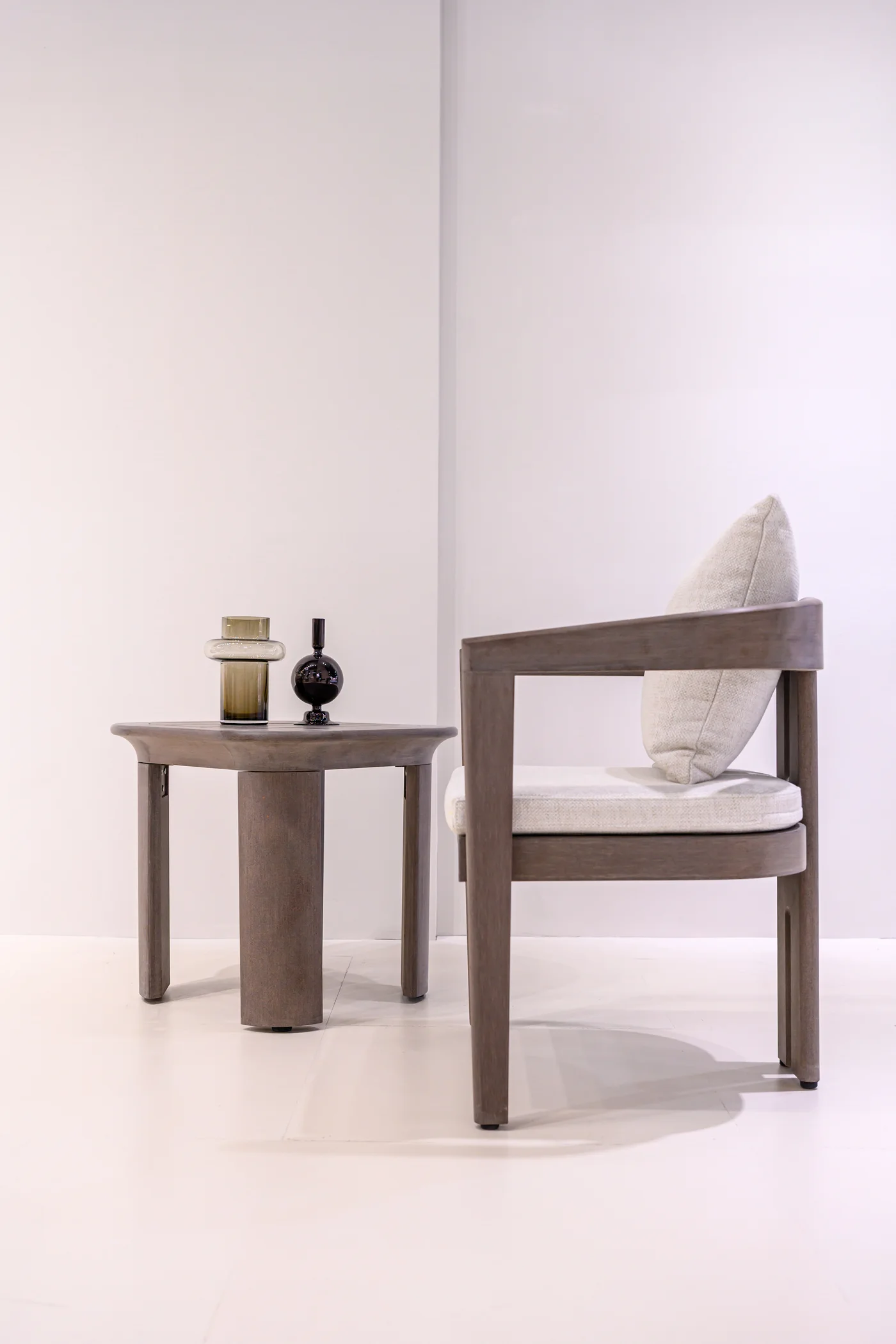
The short answer
A proposed component change needs a clear comparison with the previous reference, a review of the parts it meets, and a decision about which evidence still applies. A similar appearance is not enough to settle all three questions. Equally, a change does not automatically mean that every earlier decision must be repeated.
The useful starting point is specific: what changed, in which furniture item, and who will review the consequences? For a furniture brand coordinating design, supply and production, this turns a loose substitution request into a manageable conversation.
Imagine that a supplier proposes a different arm component after a chair prototype has been reviewed. This is a hypothetical example, not a Sumparwood project history. The colour looks close and the overall shape seems familiar. Before accepting it, the team needs to identify the actual difference and decide what further information is needed. The photograph can begin that discussion. It cannot finish it.
Keep both references on the table
Start with the previous component, not just the proposed one. Record its part number, drawing revision and supplier reference where available. Add the furniture model and the assembly in which it appears. Then place the proposed component beside that record, with its own identifiers and the reason for the request.
Avoid naming files simply “new arm” or “latest version”. Those labels lose meaning when another option arrives. A dated comparison that names both references gives designers, purchasing colleagues and the maker the same starting point. Keep a photograph of each physical sample if samples exist, but do not let photographs replace the drawing or specification.
State what is known to be unchanged and what has not yet been checked. These are different categories. If the supplier has confirmed only the visible finish, do not describe the dimensions, construction or material as equivalent. Leave those questions open until the relevant information arrives.
This is a continuation of the design development conversation, not a fresh concept exercise. The aim is to preserve the decisions already made while giving the proposed change a precise identity.
Follow the connection, not only the outline
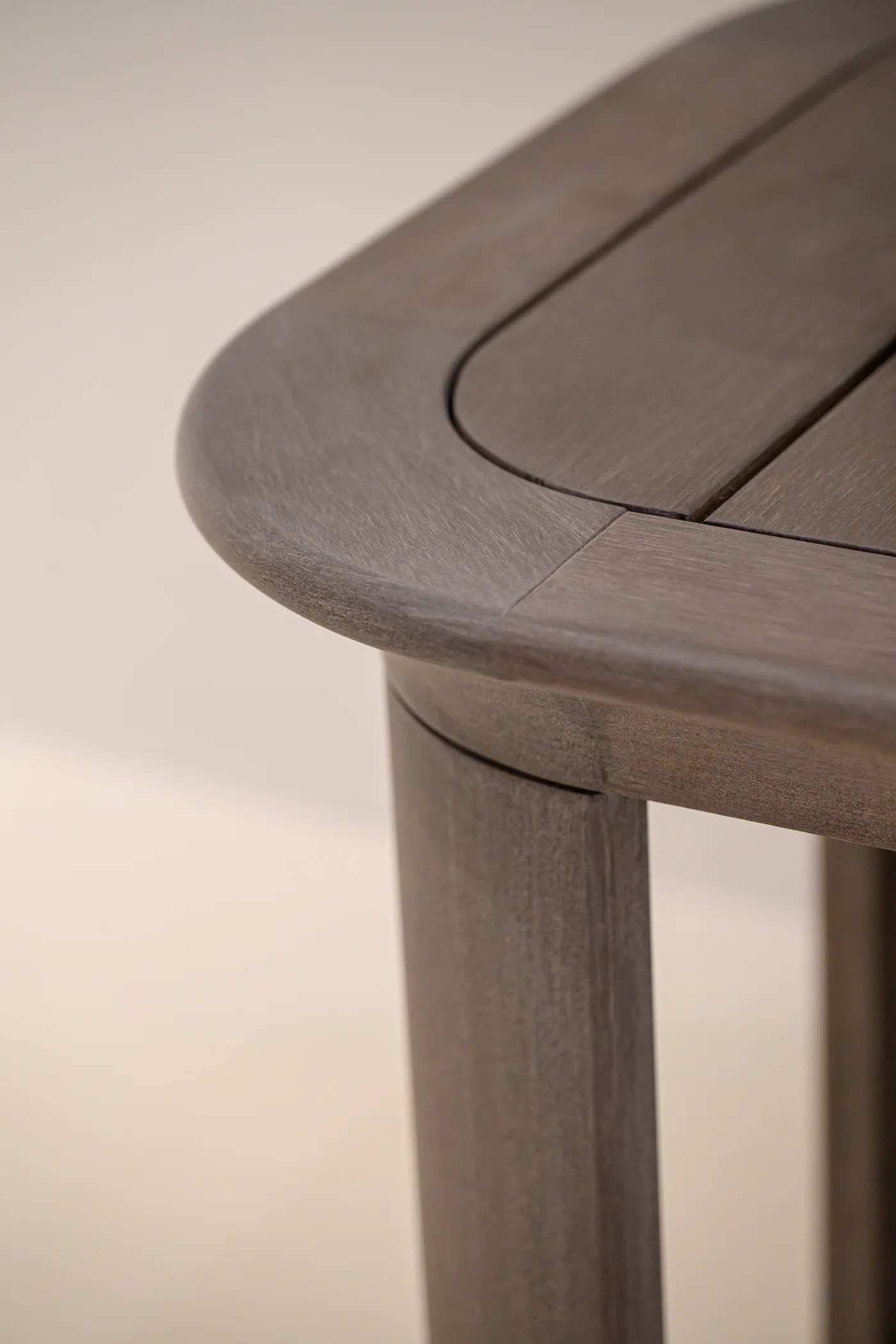
The component has a role inside an assembly. Map the places where it meets, supports, locates or moves beside another part. For the hypothetical chair arm, that might mean a frame connection, an upholstered edge and the space around the seat. For another item, the relevant relationships will be different.
Use the drawing to name those relationships. Ask whether the proposed geometry affects the intended fit, the fastening arrangement or access during assembly. Where a moving part is involved, ask the responsible reviewer what clearances and positions need checking. Do not substitute a generic dimension or an assumed tolerance for a project requirement.
Include the less visible question of service access. Can the intended part still be reached in the way the maker specifies? If the furniture includes upholstery, does the change affect a cover edge, fixing point or access opening? Our guide to fixed and removable outdoor upholstery explains why an access question should be attached to a named component rather than inferred from the whole chair.
An interface map is useful here because it makes the review boundary visible. It is a set of questions, not a calculation or proof that the proposed part is suitable.
Separate appearance, assembly and evidence
Give the review three distinct headings. Appearance concerns the intended visual result: colour, profile, visible junctions and alignment. Assembly concerns how the proposed part is used with the surrounding parts. Evidence concerns the scope of the information supporting a decision.
A positive answer under one heading does not close the others. A finish sample can help a team agree on appearance. It does not, by itself, establish the suitability of a connection. Likewise, a report naming a material needs to be read for what was assessed, rather than treated as an unrestricted approval for a finished furniture item.
SATRA’s testing introduction distinguishes materials, components and whole products and recommends discussing requirements before planning tests. That distinction is useful when preparing a change request: name the level at which your evidence applies and send the actual proposal to the appropriate technical reviewer.
Keep the appearance decision visible, but narrow. If a colour is accepted while an assembly question remains open, record exactly that. “Finish accepted; connection review pending” communicates more than a single green approval mark. For a separate finish-reference problem, use our finish specification guide.
Ask what the earlier evidence actually covers
Collect the relevant drawings, sample references and reports before asking whether anything needs reviewing again. Identify the configuration they describe. Then mark the proposed difference without interpreting beyond your role. The person assessing the change should be able to see the earlier basis and the new proposal together.
Ask a bounded question: does this evidence remain relevant to this changed configuration, and what further assessment is needed? Avoid asking for a blanket assurance that the new part is “the same”. It is more useful to receive a written response linked to a drawing revision, an application and a clearly described change.
SATRA’s furniture test selection page stresses selecting appropriate tests and interpreting their results. It separates furniture categories from materials, components and surface finishes. It does not provide a universal rule for every substitution. Neither does this article. The responsible technical reviewer or laboratory must determine the appropriate scope for the particular product and change.
Do not announce that all testing must be repeated, or that none is needed, from a photograph or a supplier’s short description. Keep the question open until a competent reviewer has addressed it. For textile reports specifically, see how to read outdoor upholstery test reports.
A textile change shows why context matters
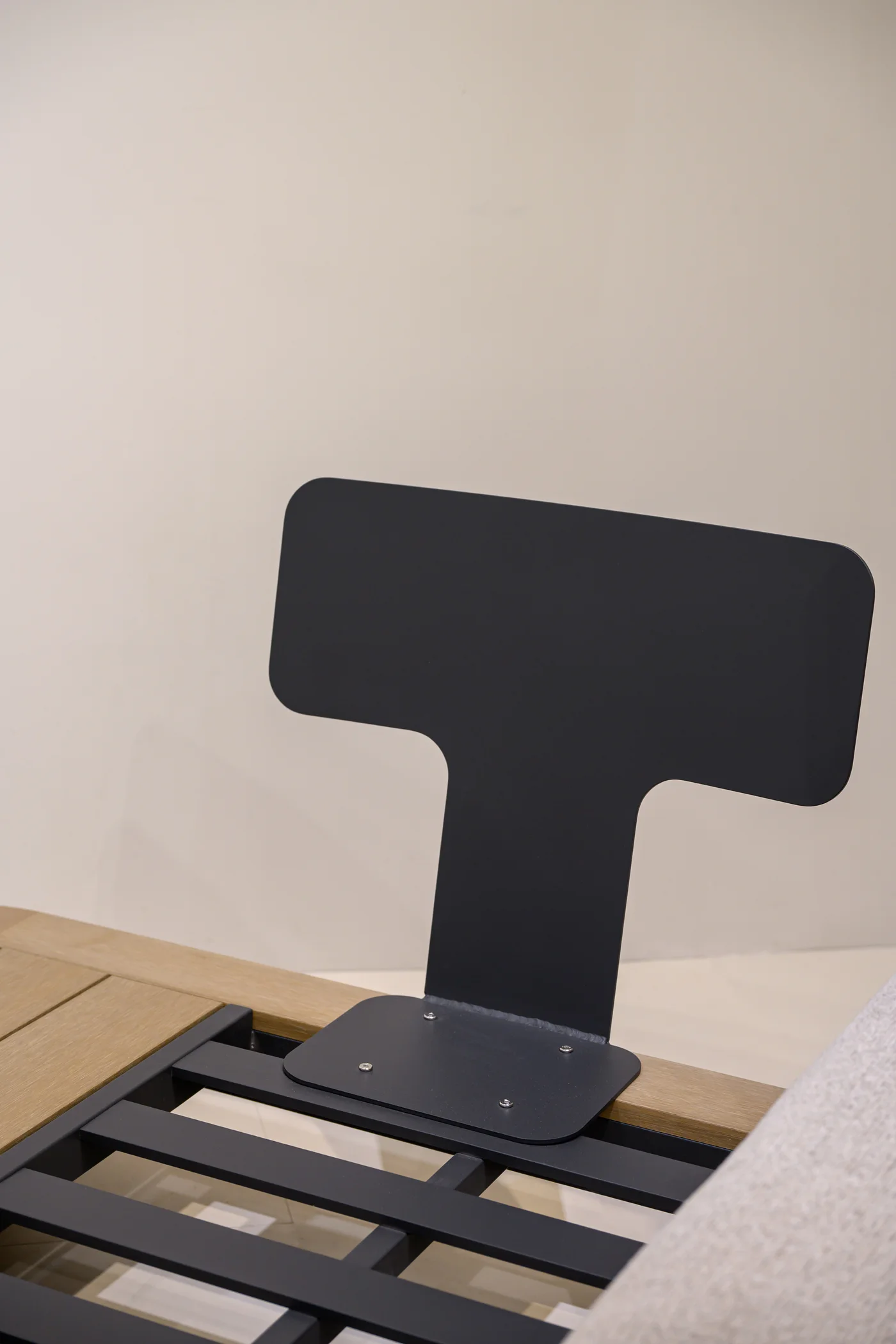
Consider a proposed replacement fabric. Matching the colour answers only part of the question. The record should also identify the textile reference, its intended furniture application and the relevant construction information. Keep a change to the covering distinct from any change to the cushion or supporting assembly.
The Association for Contract Textiles performance guidelines distinguish textile construction, application and indoor or outdoor use. They are voluntary textile guidance, not a European furniture approval. Their useful lesson here is to retain the application context when comparing information.
As a maker-specific example, Herman Miller’s Customer’s Own Material programme evaluates textiles outside its standard offering. This illustrates a distinction between selecting a fabric and having it accepted for an application. It is not a description of Sumparwood’s process or a promise that another maker will accept the same textile.
For the practical fabric brief, use our Customer’s Own Fabric guide. In a component-change review, keep the focus on what differs from the previously reviewed reference and which decisions that difference reopens.
Make one Change Review Record
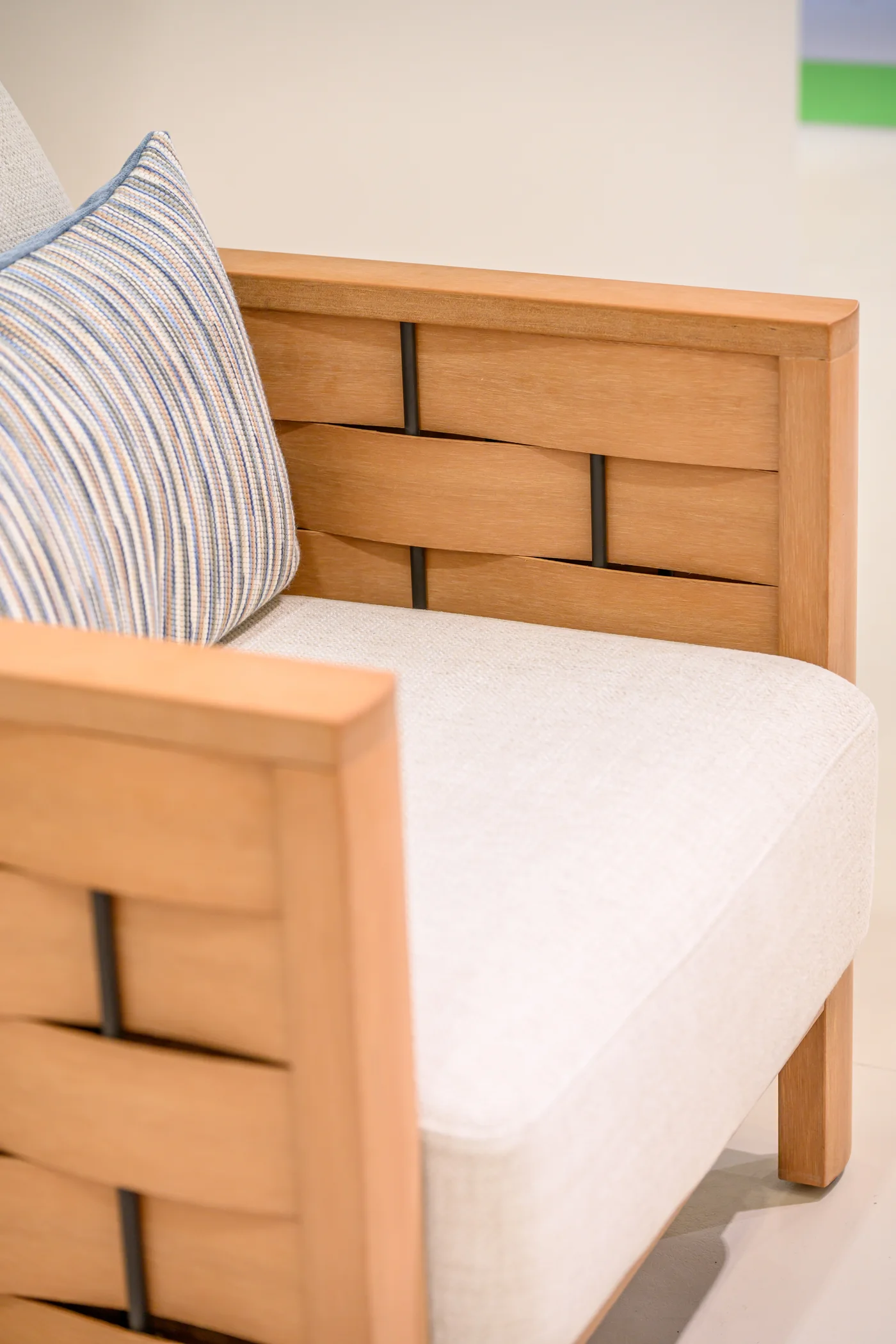
Use one record for the proposal, with separate rows for separate interfaces or questions. The following is an original editorial working aid. It is not a prescribed standard, a test plan or a substitute for the maker’s controlled documentation.
- Previous reference. Name the component, drawing revision and affected furniture item. Link to the earlier sample or record rather than relying on memory.
- Proposed reference. Name the new component and supplier reference. State the reason for the change and distinguish confirmed differences from missing information.
- Affected interface. Identify the connection, adjacent surface, moving clearance or access point that needs consideration. Use a drawing reference where possible.
- Open question. Write a question that can be answered. “Confirm the proposed fixing arrangement against the current assembly drawing” is clearer than “check quality”.
- Evidence or sample needed. Record what the responsible reviewer requests. Do not invent a test requirement or a numerical acceptance limit to fill the field.
- Responsible reviewer. Name the person or function that can resolve the question. The person collecting information is not automatically the person authorised to approve it.
- Decision and release reference. Record the answer, date, remaining conditions and exact version covered. Link the decision to the production information it affects.
Keep this record short enough to use in a real review. Attach detailed evidence rather than burying the decision in it. If two people reach different conclusions, preserve the disagreement and assign the unresolved question; do not merge it into an ambiguous “approved with comments”.
Close the question before releasing the change
End each review item with a clear state: resolved for the identified version, held pending specified information, or returned for revision. These are suggested working labels, not formal certification categories. A pending item should name both the missing information and its owner.
When a decision is reached, check that the drawing, component list and purchasing instruction refer to the same accepted version. Keep the superseded reference identifiable so it cannot be mistaken for the current one. If only a sample has been accepted, do not silently widen that decision to a different configuration or later proposal.
The objective is not more paperwork. It is a traceable connection between the question, the evidence and the instruction that production receives. That connection lets a team change a part deliberately, without losing sight of the furniture around it.
Bring the change into the conversation
Planning a component change for an outdoor furniture design? Bring the previous and proposed references, the affected drawing and the questions still open into a development discussion. A clear comparison is more useful than a request to approve an unnamed alternative.
If the decision begins with colour and surface, request the complete Sumparwood Sample Box to compare the four finishes physically. The box is a material and finish reference. It does not approve a replacement component, validate an assembly or replace project-specific technical review.