22 October 2026
Outdoor furniture assembly: what belongs in the handover?
The right furniture. The right document. A clear answer when they do not match.
Open the readiness record ↓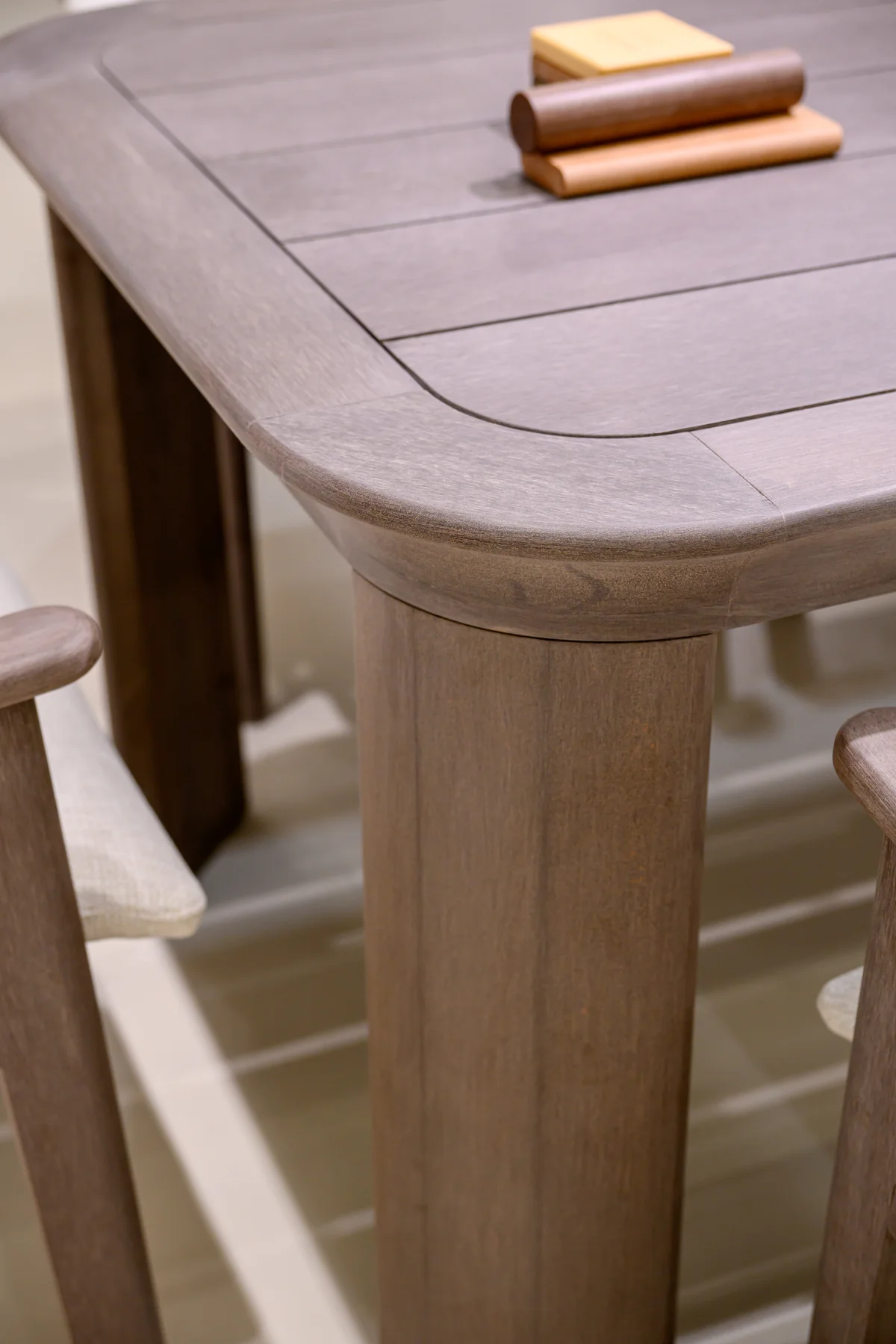
An outdoor table can arrive with its top, base and fittings carefully packed, yet still leave the installation team with a question: which instructions belong to this exact combination? The answer needs to be available before work begins. A finished-product photograph shows the intended appearance. It does not identify every loose part, explain the sequence or settle who should answer a discrepancy.
For brands and project teams, the useful preparation is a short assembly handover that connects the ordered furniture to its maker's instructions. It names the product, the applicable document, the supplied components and the person responsible for resolving questions. This guide proposes that record. It does not replace the instructions for a particular item or establish that an assembled piece is safe for use.
01 / Handover
Start with the exact furniture reference
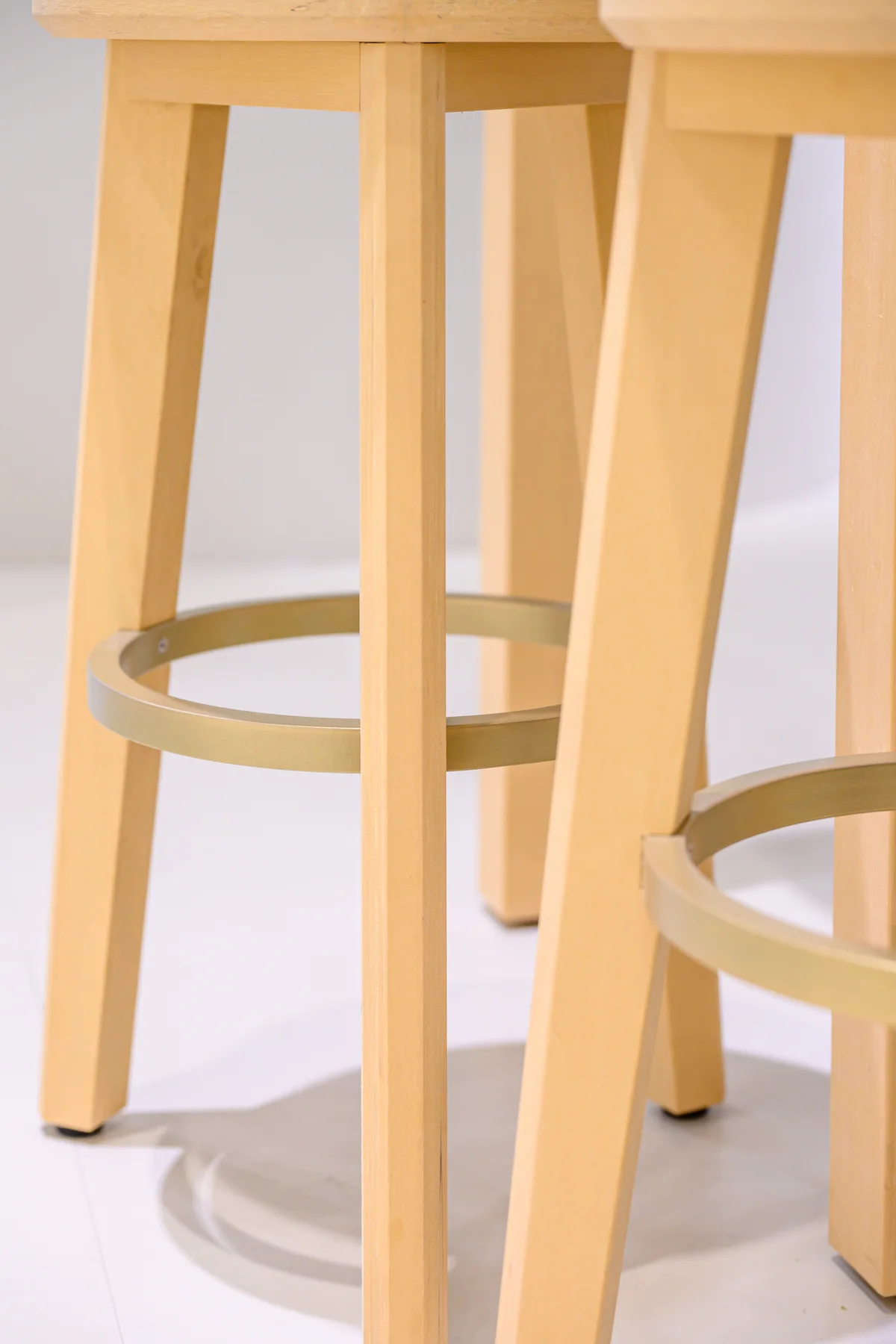
Write down the ordered model and variant before collecting documents. Include the order reference and any identifier supplied with the furniture. A collection name alone may describe several sizes, top materials or base arrangements. The installer needs to know which combination is present, not simply which collection appears in the specification.
Herman Miller's Product Instructions search allows lookup by product and instruction number. It also notes that punctuation can matter in a product number. This is a practical example of why the full identifier should travel with the item. Preserve the supplier's notation instead of shortening it to a nickname in an internal spreadsheet.
Where a project contains several variants, assign each one a separate line in the handover. Link that line to the relevant drawing or order reference. Our guide to collection size variants addresses the earlier decision about what belongs in a range. Here, the question is narrower: which delivered item is this team about to assemble?
02 / Handover
Confirm what arrives assembled
Ask the supplier to state the delivery condition. Does the item arrive complete, as a top and base, or as a larger set of components? Which fittings are already installed? Which items are packed separately? Record the answer for the ordered configuration, including accessories that arrive in a different carton.
The Herman Miller Store assembly index distinguishes products supplied assembled from those requiring assembly and lists separate outdoor table references. It illustrates why assembly should be checked at product level. It does not establish the delivery condition of another manufacturer's table or the scope of a particular delivery service.
Keep service arrangements explicit. Delivery, unpacking, assembly, placement and removal of packing are separate tasks in the project record unless the agreed service combines them. Name an owner for each relevant task. A short confirmation before delivery is more useful than discovering that two teams each expected the other to bring the instructions.
03 / Handover
Match the document to the configuration
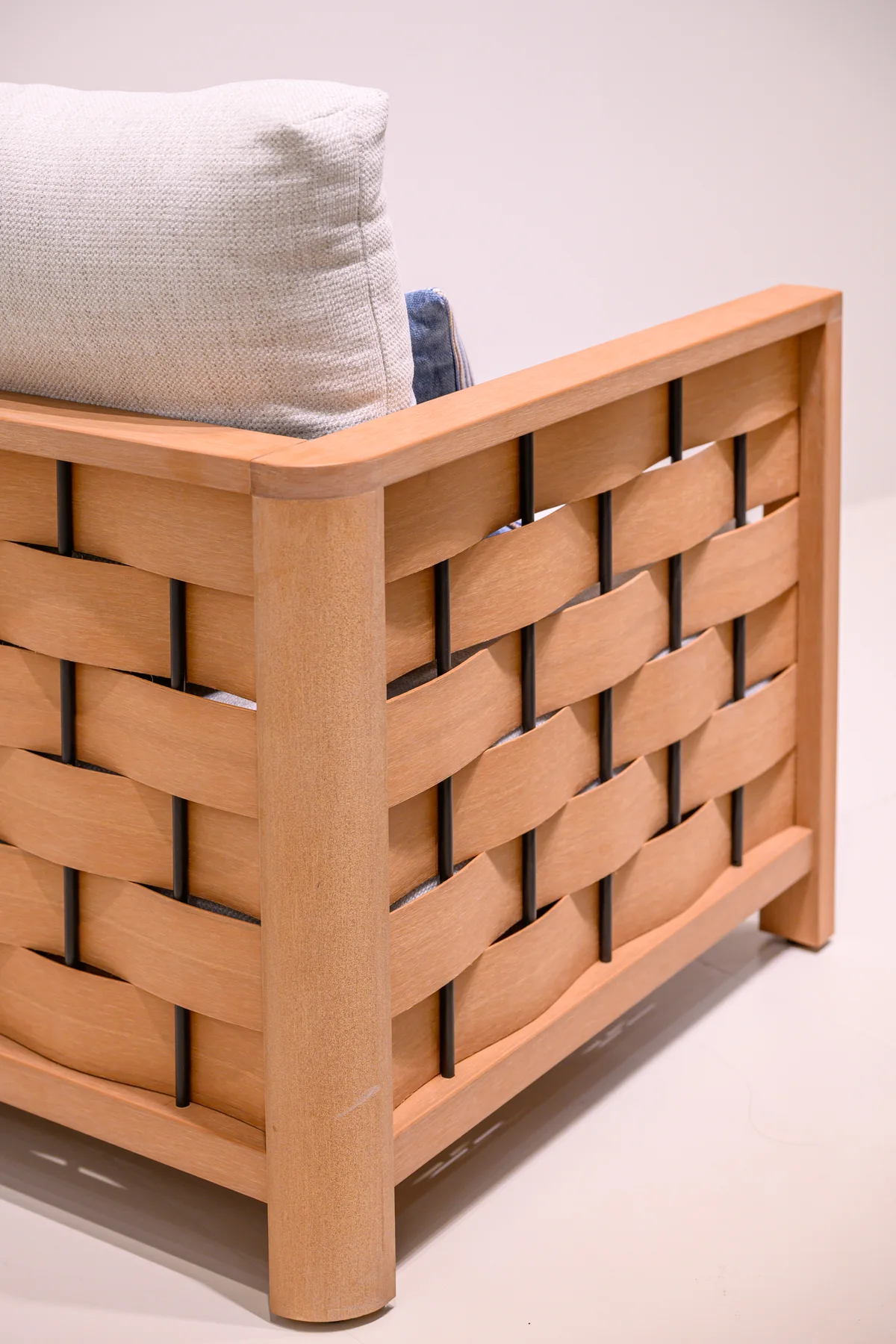
Save the applicable instructions with their title, identifier and revision where provided. Record where the file came from and when it was obtained. If the supplier confirms a different document for a particular variant, retain that confirmation beside the file rather than passing it on as an unexplained verbal exception.
Knoll's installation-instruction library organises manuals by system line and part number. That organisation supports a simple document check: is the selected manual actually for this product reference? A familiar logo on the first page is not enough. The scope printed inside the document deserves the same attention as its cover.
Read the complete applicable document before scheduling the work. Identify separate sections for different configurations and any references to additional documents. If a page is missing, a drawing is unreadable or a note conflicts with the supplied item, ask the responsible supplier for clarification. Our drawing-release guide explains how to keep the controlling reference distinguishable from an earlier copy.

04 / Handover
Give each loose part an identity
An assembly handover should connect part labels to the maker's parts list. It can record the carton or hardware-pack reference, expected quantity and where the corresponding item appears in the instructions. This is an identification exercise. It is not an invitation to select a substitute because it looks similar.
For example, Knoll's Stromborg rectangular-table instructions, 4AD9002 Rev 00, name the covered patterns and list components, hardware and tools. Later pages distinguish stages of adjustment and tightening. The example shows how component identity and sequence belong together. Its hardware specifications and numerical settings apply to that document's products; they must not be transferred to a Sumparwood design.
If the supplied parts cannot be reconciled with the applicable list, record the discrepancy with clear photographs and the item reference. Keep the affected components identifiable while awaiting an answer. A useful question says which listed part is missing or different, where it was expected and which furniture unit is affected. “The screws look wrong” gives the supplier much less to work with.
- 01 / FurnitureModel + variant
Which ordered combination is here?
- 02 / InstructionsDocument + revision
Does this file cover that combination?
- 03 / ComponentsLabels + parts list
Do the supplied parts match?
Original editorial reference map. A way to organise questions, not an assembly sequence or approval to use the furniture.
05 / Handover
Plan the work without inventing a method
Ask the maker's instructions to define the required tools, preparation and assembly method. The project team can then check whether those requirements have been understood and arranged. Do not estimate a tightening value, lifting arrangement or fastening sequence from an adjacent model, a photograph or a previous installation.
The practical planning record should identify the intended work area and the person coordinating access to it. Ask whether the relevant instructions require a particular supporting surface, protection or equipment. Where the manual does not answer a question that matters to the planned work, send the question to the supplier before treating the arrangement as settled.
Keep assembly planning distinct from routing the furniture through the building. A plan for reaching the terrace does not automatically explain where the item will be unpacked or assembled. Conversely, knowing how components join does not establish whether the packed or assembled dimensions suit the delivery route. Record both questions with their owners, using confirmed product information.
06 / Handover
Keep changes visible to the installation team
A late adjustment can separate the furniture from its paperwork. A different top, revised base or replacement hardware pack may arrive after the main shipment. Record the affected item reference and obtain the applicable instructions or written clarification. Avoid adding an informal note that changes the method without identifying who approved it.
The installation team should receive one clearly identified current instruction set for each configuration, with any relevant clarification attached. Keep older copies in the project archive if needed, but distinguish them from the files intended for the work. A forwarded screenshot should not become the only surviving explanation of a change.
This is also where the boundary with component substitution matters. Identifying a different supplied part does not establish that it is an acceptable replacement. The responsible supplier or competent reviewer must resolve suitability. The handover record should make the question visible, not silently answer it through an administrative update.
07 / Handover
Use a short assembly-readiness record
The following table is an editorial coordination aid. Complete it using the actual order and the maker's documents. It helps reveal missing information; it is not a compliance certificate, installation method or release-to-use approval.
Scroll the record sideways on smaller screens to read all three columns.
| Record | What to enter | Question to resolve |
|---|---|---|
| Furniture identity | Model, variant and order reference | Does this identify the delivered combination? |
| Delivery condition | Complete item or named component groups | Which work remains after unpacking? |
| Instructions | Document identifier, revision and source | Does its scope include this configuration? |
| Parts and hardware | Supplier labels and applicable parts list | Can each supplied part be reconciled? |
| Preparation | Maker's stated tools and requirements | Are the necessary arrangements confirmed? |
| Responsibilities | Delivery, assembly and question owners | Who acts when information does not match? |
| Completion record | Required checks and unresolved items | What remains before the responsible party accepts the work? |
Use a separate record where configurations need different instructions. A mixed shipment may contain items with similar names but different assembly information. Copying one completed row across the whole order can hide those differences. The record should be brief enough to use beside the relevant files, rather than becoming a second and potentially conflicting manual.
08 / Handover
Record completion honestly
After assembly, retain the record of the checks required by the applicable instructions and project arrangements. Name the person who completed the work and identify any unresolved issue. A photograph of the finished item can support identification and condition recording, but it does not demonstrate every connection, hidden part or required check.
Keep receipt, assembly and acceptance as distinguishable events. The arrival-condition guide covers what was observed when the furniture arrived. The assembly record covers the subsequent work. Neither should be rewritten to imply that the other stage was inspected when it was not.
If a question remains open, show its owner and the response still needed. Do not use a completed administrative checklist to override an unresolved technical concern. The value of the handover is that the next person can see what is known, which document controls the work and where clarification must come from.
09 / Handover
Bring assembly into the development conversation
For a new outdoor furniture design, discuss the intended delivery and assembly arrangement while the brief is still being developed. Ask which components are expected to remain together, which information the installer will receive and how questions will reach the responsible team. These are useful development questions before anyone prepares a final instruction set.
Bring the intended configuration and delivery context to a Sumparwood workshop conversation. For an initial comparison of material finishes, request the Sample Box. A physical sample can support a material discussion. The assembly method still belongs to the complete furniture design, its confirmed components and the instructions prepared for that product.