Skip to content
Sumparwood
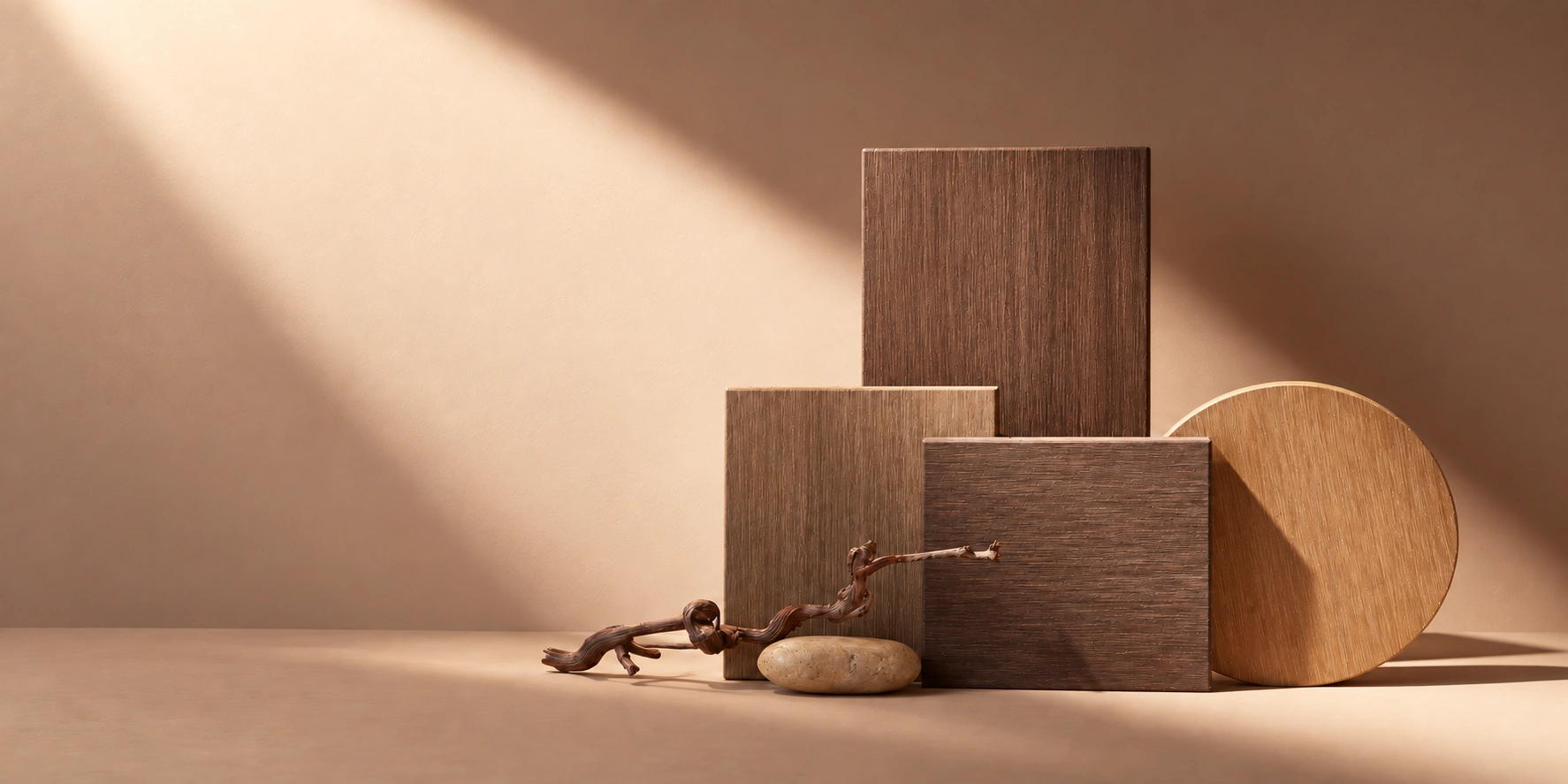
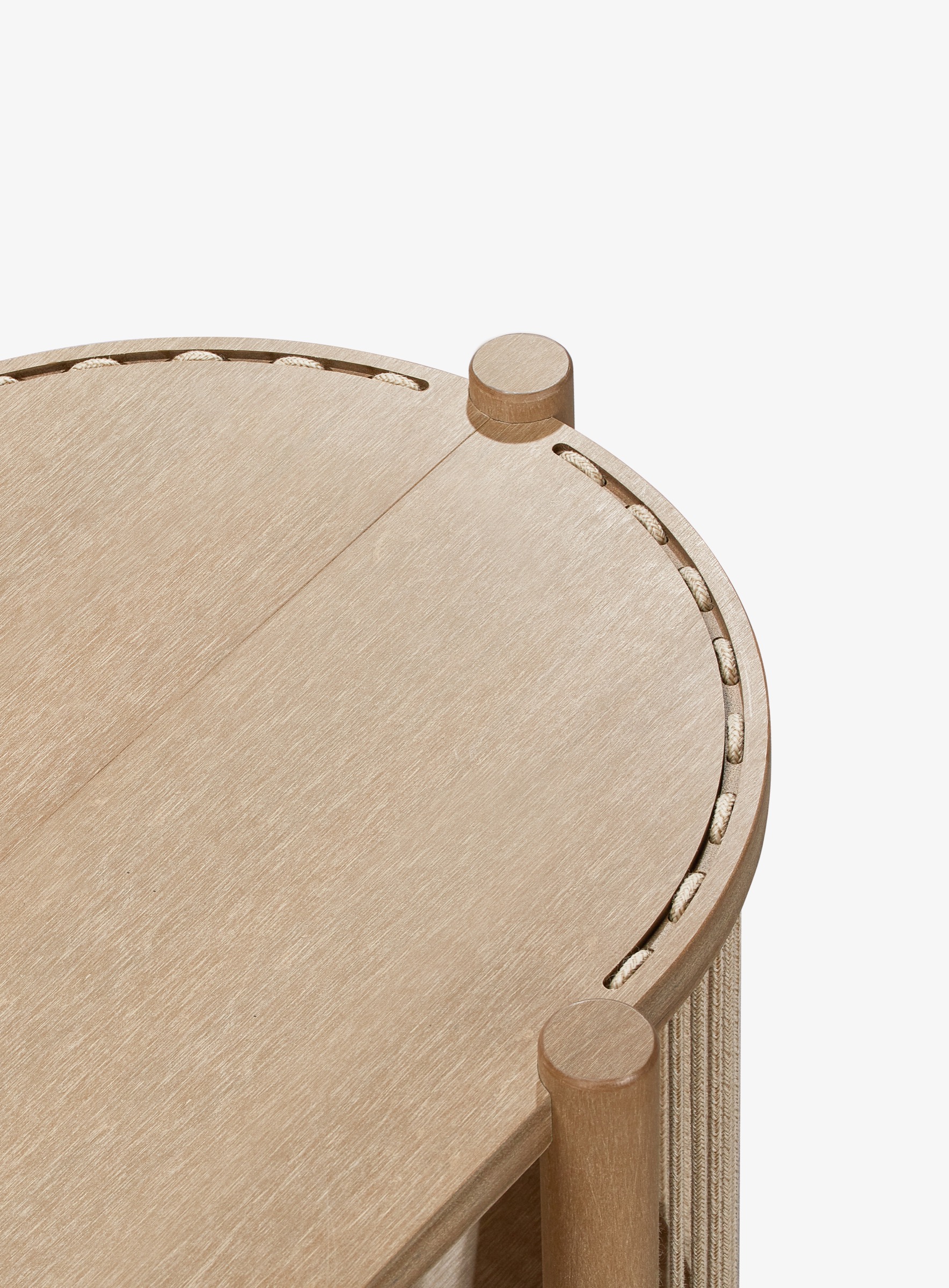
Art-directed composition of wood-like material boards in warm brown and honey tones under diagonal sunlight

The material

Warm like timber.
Made for open air.

A wood-like outdoor material developed through Boscher Workshop for furniture designers and brands.

Explore with samples

Look closer

Colour. Form. Detail.

Material details Specifications & review links

Specifier snapshot

A quick material reference.

Confirm performance and process limits for your selected profile, construction and environment.

Material category
Proprietary wood-like outdoor material
Intended audience
Designers, architects, hospitality teams and outdoor-furniture brands
Material language
Authored grain, colour, surface, edge and solid section
Finish range
Vintage, Black Walnut, Maple and Natural
Form development
Profiles, furniture joinery and controlled curved forms reviewed through the workshop
Physical review
Complete four-finish Sample Box with material surface and section
Application review
Project brief, exposure, component geometry, joint and finished-product requirements reviewed together
Technical evidence
Relevant documentation available to qualified project teams within each report's stated scope
Composition
Current public statement pending signed technical approval
Environmental claims
Supplied only where the claim, method and system boundary are documented

From profile to component

Cut. Route. Heat-form. Assemble.

Explore the process. Review the right profile and forming limits with the workshop.

  1. 01
    Cut

    Establish the component

  2. 02
    Route

    Shape radii, grooves and joints

  3. 03
    Heat-form

    Create controlled curves

  4. 04
    Assemble

    Build furniture-grade structure

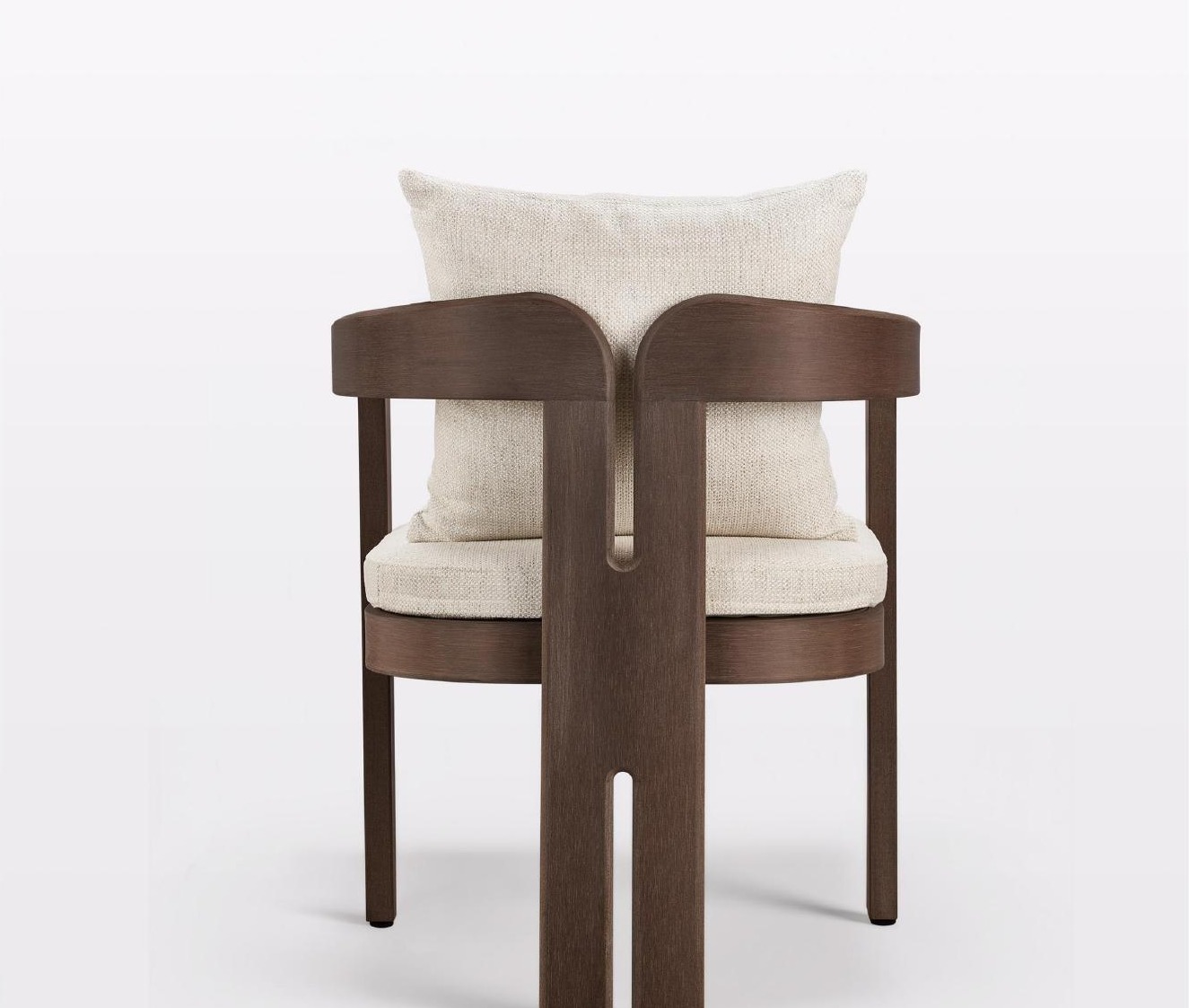
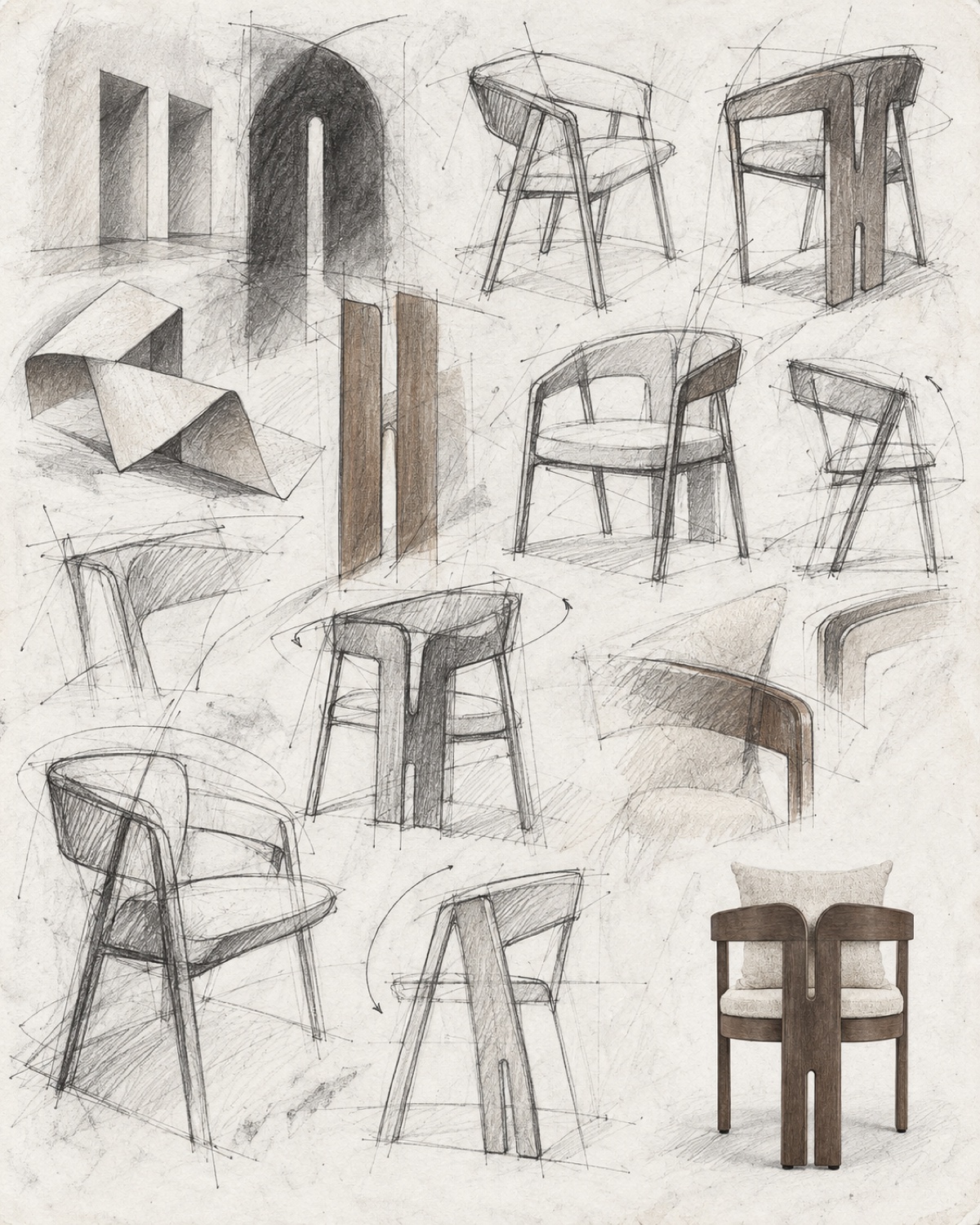
Graphite concept sketches exploring curved arms, openings and the divided spine of the WS-01 chair

Working study / WS-01

A profile. A new possibility.

Explore the Split Spine chair study, from an idea to its design details.

Explore the study
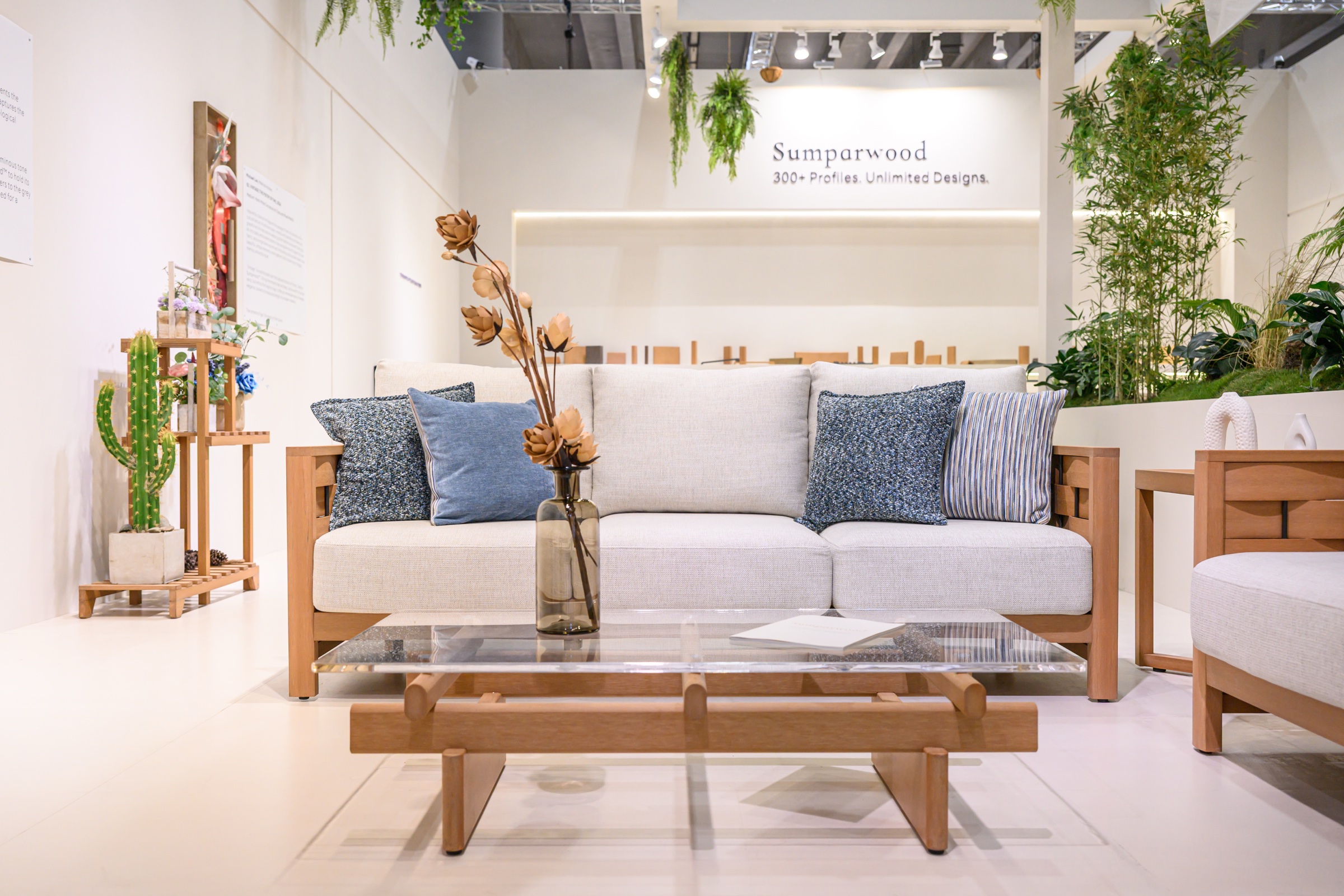
Sumparwood material and outdoor furniture presented in an exhibition setting

Material in context

From profile to place.

See colour, form and detail come together in a furniture setting.

Outdoor design tension

The environment edits every surface.

Sun, salt, moisture and everyday care. Start with the setting, then review the evidence.
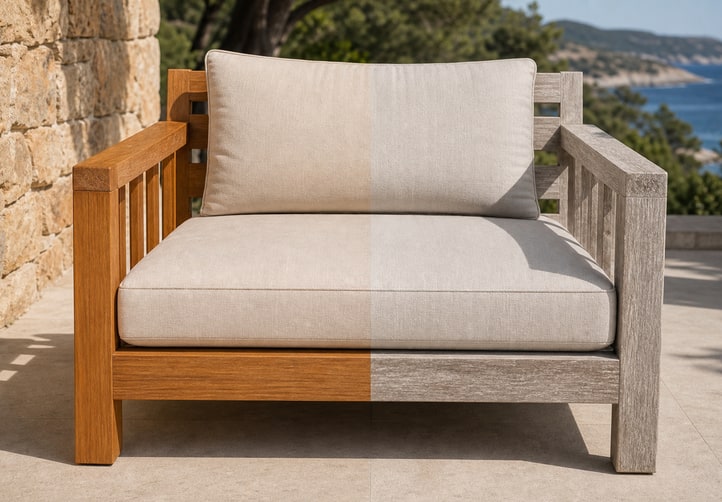
Illustrative outdoor chair study showing contrasting colour states under exterior light
01

Light and colour

How should the colour look—and how will change be assessed?
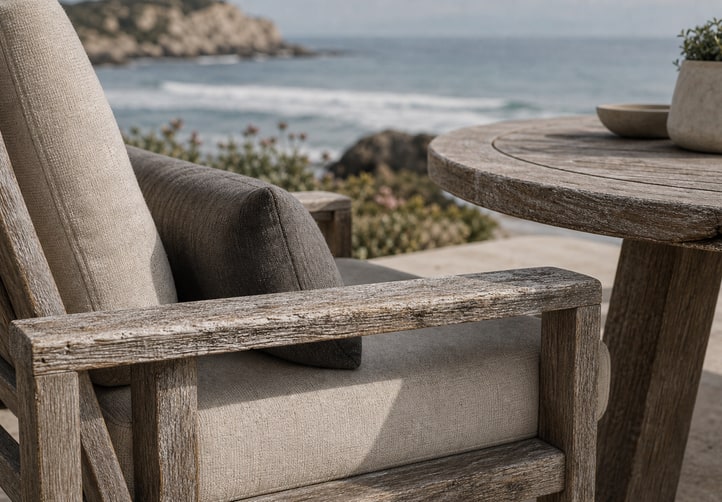
Illustrative coastal furniture surface study used to discuss salt air and moisture exposure
02

Salt and moisture

Match the material and its details to the actual setting.
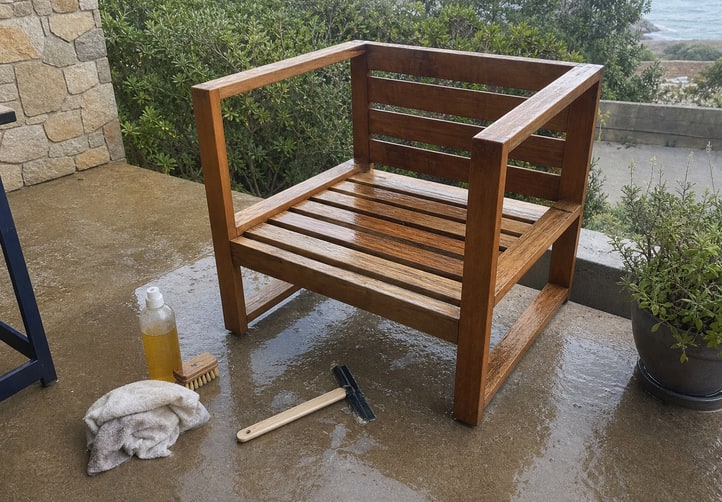
Illustrative outdoor furniture care scene with cleaning tools beside a chair
03

Care ownership

Agree on cleaning and care before the product goes into use.

Illustrative reference scenes. Project-specific performance should be assessed through the relevant evidence and physical sample.

For your project

Different settings. Different questions.

Review exposure, construction and use together. Evidence applies only within each report’s stated scope—not as a promise of service life.

Request the relevant evidence index Discuss an application
Compare material approaches Timber, synthetic lumber & Sumparwood

Material contrast

Choose the compromise you intend.

Every material path deserves a different review: natural change, production uniformity, or a timber-like spectrum developed as a material system.
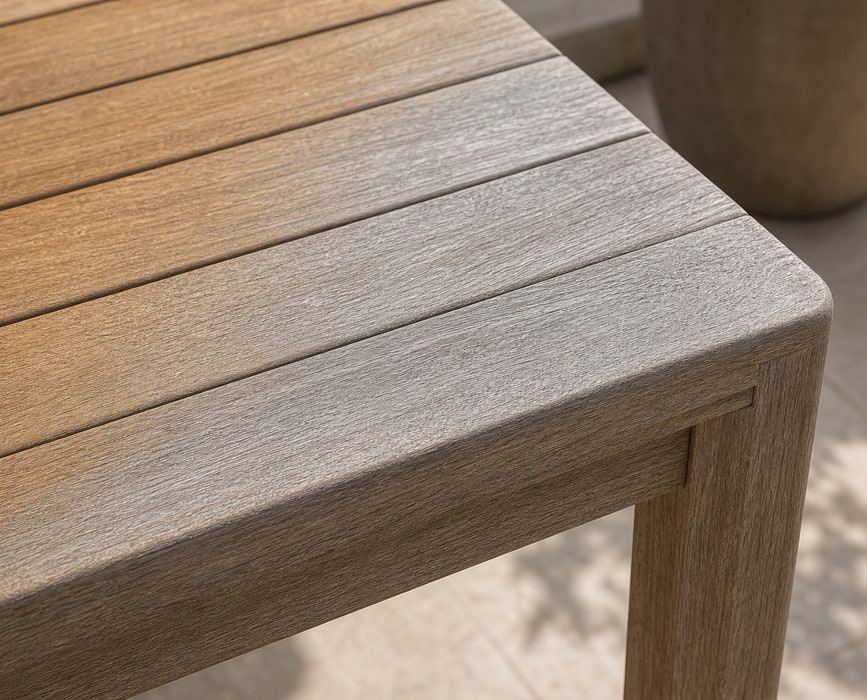
Natural timber furniture detail showing a visible change in surface tone
Natural timber

Authentic movement

Review the desired weathering path, finish programme and ongoing care against the design intent.
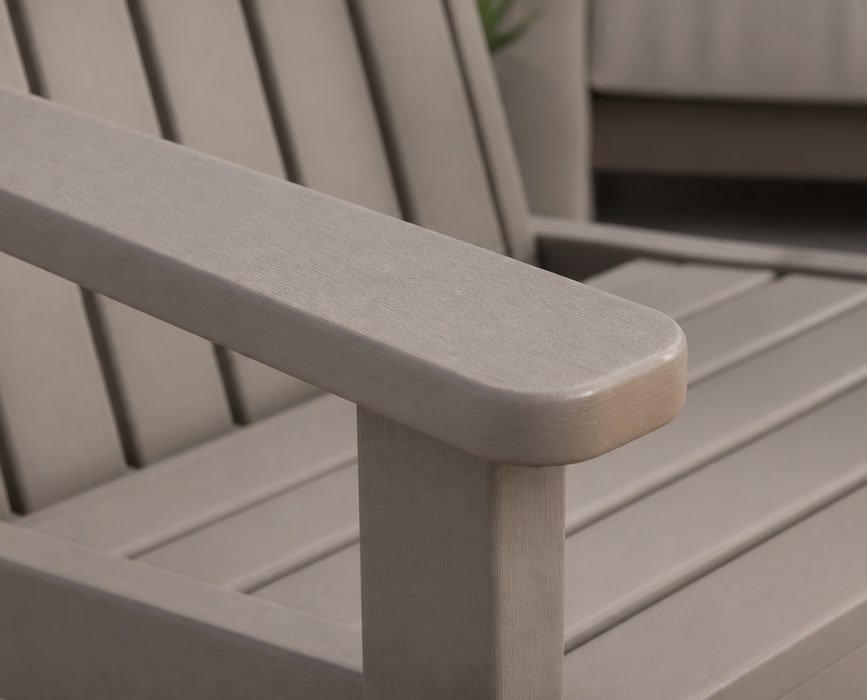
Conventional synthetic lumber furniture detail with a uniform pale surface
Conventional synthetic lumber

Production uniformity

Review whether surface repetition, colour consistency and edge character support the intended expression.
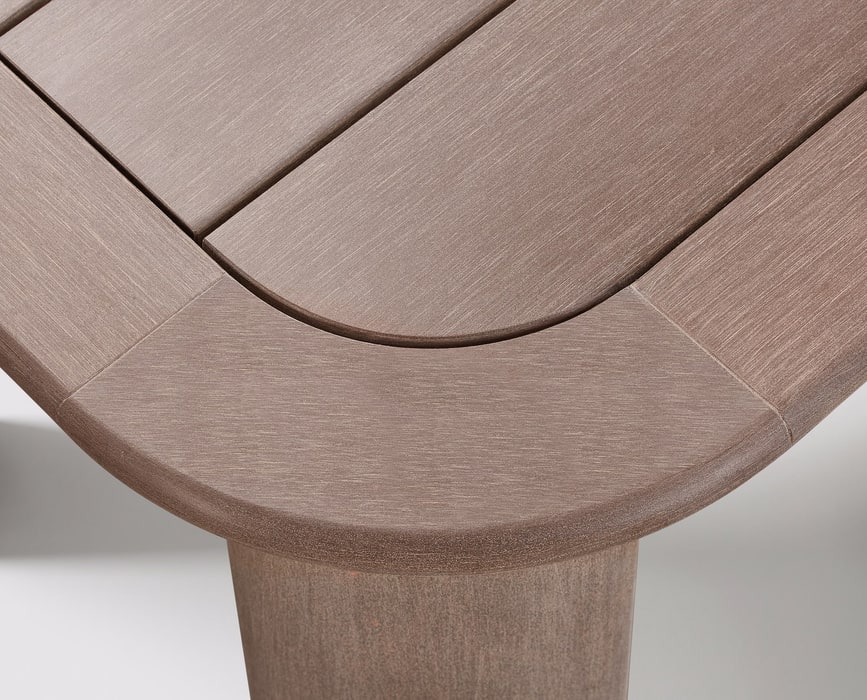
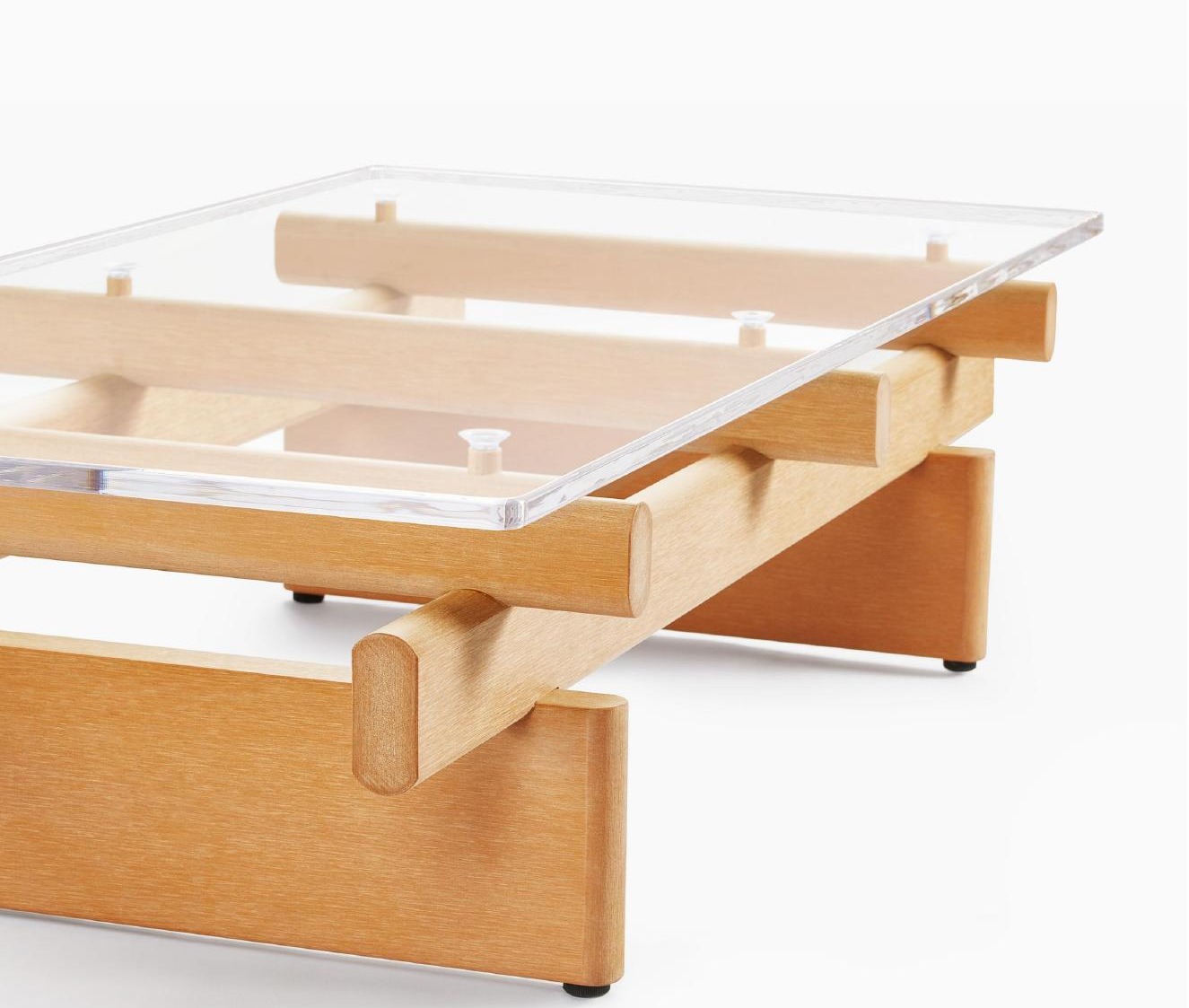
Sumparwood furniture detail showing grain, rounded edge and joined profiles
Sumparwood

Controlled natural variation

Review finish, grain, edge and application together, then confirm the final direction with physical samples.

A specification lens, not a universal ranking. Confirm the evidence that applies to the intended product and environment.

Next / Hold the material

Four finishes. One complete study.

Request the Sample Box