17 October 2026
Outdoor furniture covers:
plan the work around them.
From the covered configuration to the place the removed cover goes.
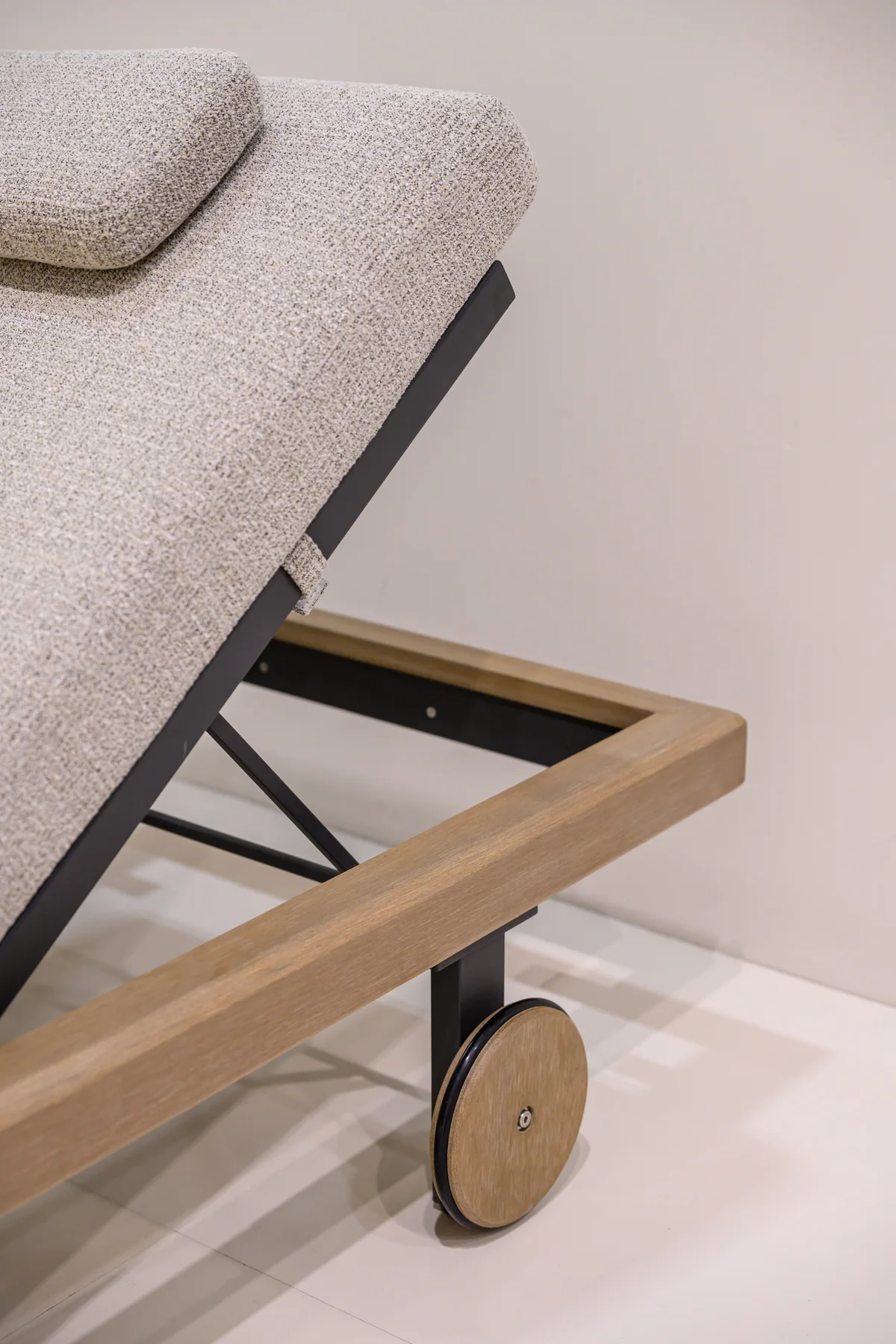
A terrace can look settled at the end of service. Chairs are in place, tables are clear and the furniture is covered. The next morning brings another set of questions. Who removes the covers? Where do they go? What needs checking before the furniture returns to use?
For a hospitality team, a protective cover belongs in the operating brief. Its shape matters, but so does the work around it. A cover that appears to fit in a photograph still needs instructions for the actual furniture, its accessories and the people looking after it.
This guide helps Australian hospitality and design teams prepare that conversation. It concerns the loose protective cover placed over furniture between uses. A cushion casing is a different component, with its own replacement and care questions. Start with the exact furniture and ask the supplier to confirm the proposed arrangement.
Open the Cover Access Brief ↓Name what will be covered
Begin with the furniture model and the configuration that will actually be left on the terrace. Record the table, chair, sofa or lounger reference, along with any cushions or accessories included in the proposal. Ask which pieces may remain in place under the cover.
A familiar collection name can conceal different sizes, back positions or combinations of parts. A cover intended for one arrangement should not be assumed to suit another. Photographs can help identify the object, but they do not establish the required dimensions or a compatible pattern.
Ask the cover supplier which measurements, drawings and views are needed. Let that supplier confirm where measurements should be taken and how the cover is intended to sit. Avoid adding an allowance by guesswork or ordering from a general furniture footprint alone.
Keep the covered arrangement beside the information for the furniture itself. Our collection size guide explains why each variant needs a clear identity. The same habit helps here: name the configuration before discussing its cover.
Bring the care instructions into the brief
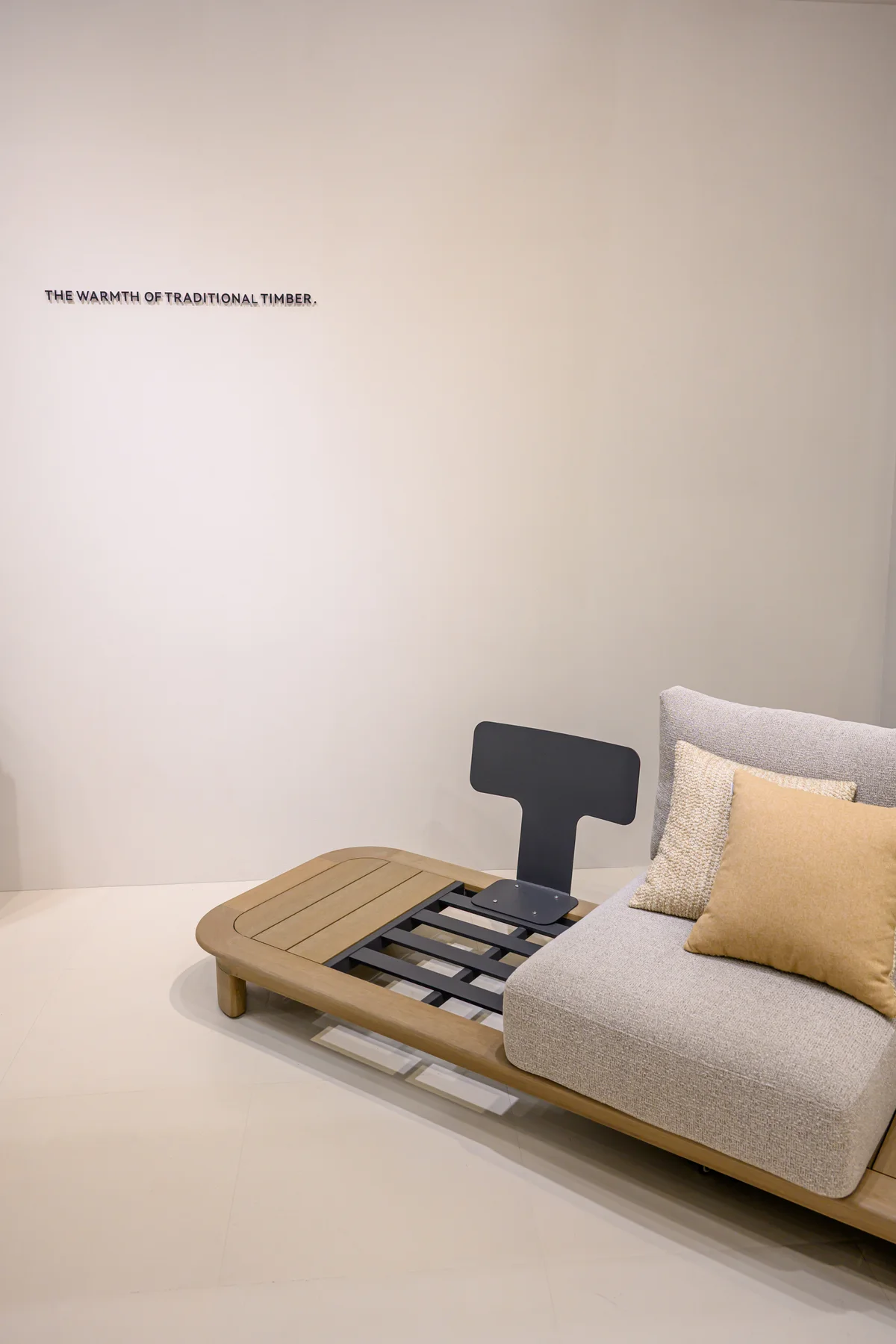
Different furniture materials can require different care. Obtain the instructions for the actual furniture, finish and upholstery, then ask how the proposed cover fits into that routine. A general statement that furniture is suitable outdoors does not answer every question about covering it.
Cosh Living's maintenance page directs owners to the relevant brand instructions. Its discussion of protective covers sits within particular material and exposure advice. That is a useful reason to keep the named product guidance with the brief, rather than transferring another manufacturer's care routine to your furniture.
Tribu's care resource also organises information around the materials being maintained. Use that as a reminder to identify the instructions that apply to each part. It does not establish the right closure, vent or fabric for a different manufacturer's protective cover.
Record where the current instructions can be found and who will resolve questions. If the furniture maker and cover supplier give advice that appears inconsistent, ask them to clarify the proposed combination before turning it into a venue instruction.
Ask what happens before covering
Covering is one step in a longer sequence. Ask what the furniture maker requires before that step, including any preparation, inspection or drying instructions. Make those requirements visible to the team that closes the terrace.
For example, KING's product-care advice says its teak furniture should be clean and dry before covering. This is a named maker's instruction for that context. It is not a cleaning prescription for Sumparwood or for every material photographed in this Journal.
The practical question for your project is whether the proposed operating routine allows the applicable instructions to be followed. Where would the team check the surfaces? What happens if the furniture is not ready to be covered when service ends? Who decides the next action?
Leave unanswered technical questions with the responsible supplier. Do not infer a drying time, cleaning chemical or ventilation requirement from a photograph. The brief should make the missing answer easy to find without presenting an unverified routine as settled advice.
Follow the removal and refitting task
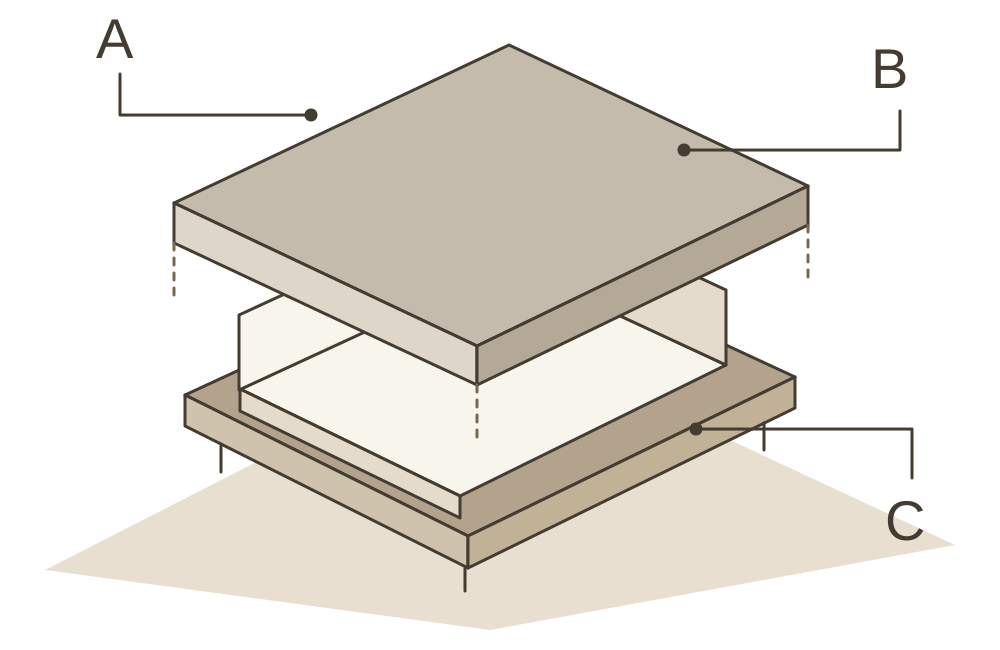
Picture the cover being removed from the actual furniture, rather than lying flat in a catalogue. Ask where the person stands, how the cover is reached and what has to move during the task. Include the return journey when it is fitted again.
Safe Work Australia's manual-task guidance considers factors such as force, repetition, posture and the working environment. It supports reviewing the task with the people who perform it. It does not provide a universal safe method for removing furniture covers.
For the cover brief, describe the actual operating pattern. Is this a daily task or an occasional seasonal one? What other work takes place nearby? Does the proposal require reaching across the furniture or moving around several sides? Those are questions for observation and review, not instructions to adopt a particular technique.
Where the proposed task raises concerns, involve the venue's responsible reviewer before agreeing the method. A product image or a single successful demonstration cannot establish that an arrangement suits every worker, location or operating condition.
Keep the furniture available for inspection
Ask which parts of the furniture need to be seen or reached during the applicable care routine. The answer may involve a surface, an underside, a connection or a separate cushion. The cover arrangement should be considered alongside those tasks.
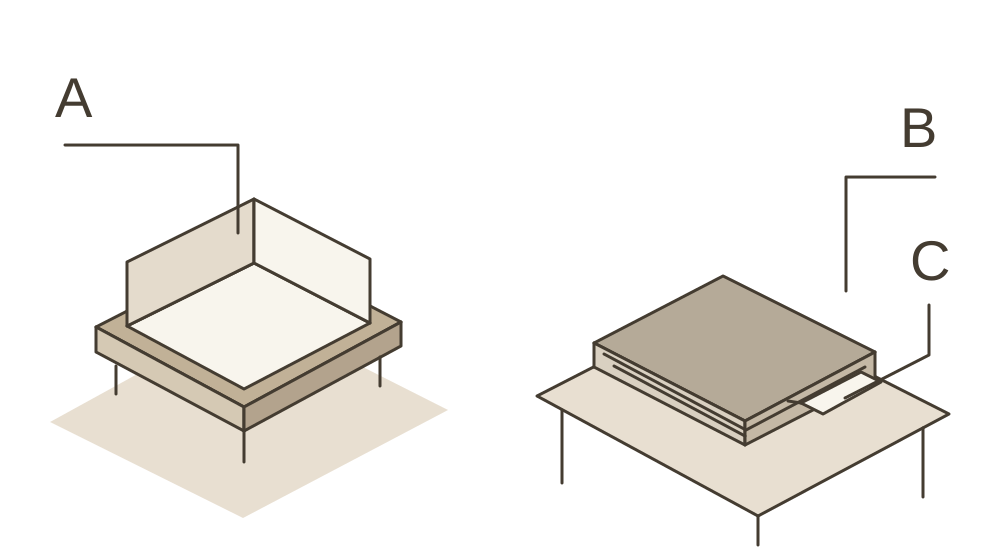
This does not mean every cover needs an opening in every position. It means the supplier and venue team should understand what must be uncovered, when and for what purpose. A proposed access feature only becomes useful when its role is clear.
Use a photograph or an annotated furniture view to locate the point being discussed. Give it a plain name and attach the relevant question. If the team is reviewing a closure, record its intended operation and ask the supplier to confirm the appropriate design and instructions.
Avoid turning an access detail into a performance claim. A zip, strap or vent visible in an image does not prove that the covered furniture will remain dry, that the cover is secure in every condition or that an assembly meets a particular requirement. Those questions need evidence for the actual product and use.
Give the removed cover a destination
The cover needs a place when guests use the furniture. Include that destination in the brief instead of leaving it to be discovered on opening morning. Ask what storage preparation the cover supplier requires and what information staff need when putting it away.
Record the intended location and how the matching cover will be identified later. A venue with several furniture sizes needs a way to distinguish them. Use the venue's existing identification system where it works, keeping customer or order details out of public photographs.
Consider the route as well as the final storage space. What must be carried, moved or set down? Is the space available during the periods when the cover is removed? Ask the team to describe the whole sequence, including bringing the correct cover back to the correct furniture.
Keep any washing, folding or storage method tied to the supplier's instructions. A protective cover may have different care requirements from the upholstery beneath it. Its appearance alone does not establish whether a cleaning process or storage arrangement is suitable.
Try the proposed arrangement before repeating it
Where practical, review a representative cover with the intended furniture and the people responsible for daily care. Agree the purpose of the review first. It might be to identify the covered configuration, locate access questions or understand the removal and storage sequence.
Record what was actually present. Name the furniture variant, cover reference, accessories, location and instructions used. If something is a temporary sample or an unresolved detail, say so. This keeps an observation from quietly becoming an approval for a different arrangement.
Write down the questions raised by the trial and who will answer them. If a closure position, furniture accessory or storage location changes afterwards, revisit the affected part of the proposal. There is no need to invent a universal pass mark to make the record useful.
This review is a development discussion. It does not replace the supplier's technical evidence or the venue's assessment of the work. Keep those records connected so the person making the next decision can see what has been observed and what still needs confirmation.
The Cover Access Brief
Use this short record to prepare a supplier and venue discussion. The questions are an original editorial aid. Adapt them to the actual furniture and operating routine.
| Topic | Question to close |
|---|---|
| Furniture identity | Which model, size, position and accessories form the covered configuration? |
| Cover identity | Which cover reference and supplier-confirmed fit information apply? |
| Preparation | What must happen before covering, according to the applicable instructions? |
| Removal and return | Who performs the task, how often, and what needs review in the actual space? |
| Inspection access | Which parts need to be seen or reached, and at what stage? |
| Removed-cover storage | Where will it go and how will the matching cover be identified? |
| Review and ownership | What was observed, which questions remain, and who will close them? |
Read the record with someone who was not in the original meeting. Could they identify the furniture, find the right instructions and locate the unresolved decision? That is a useful test of the brief's clarity, even before the cover proposal is final.
Make room for the daily routine
For custom furniture, bring these operating questions into development early. Describe how the furniture will be used, covered, checked and returned to service. That gives the design and workshop teams a more complete brief than a request for a matching shape alone.
Our workshop introduces the development conversation around form and interfaces. A Sumparwood Sample Box supports the physical comparison of material and finishes. For cushion casings, the replacement-cover guide addresses a separate identification task.
A clear protective-cover brief follows the furniture through a working day. It gives the cover a purpose, the removed cover a destination and the open questions a person responsible for answering them.