02 October 2026 · A replacement request, made clear
Replacement outdoor
cushion covers.
Identify before you order.
Use the Replacement Cover Request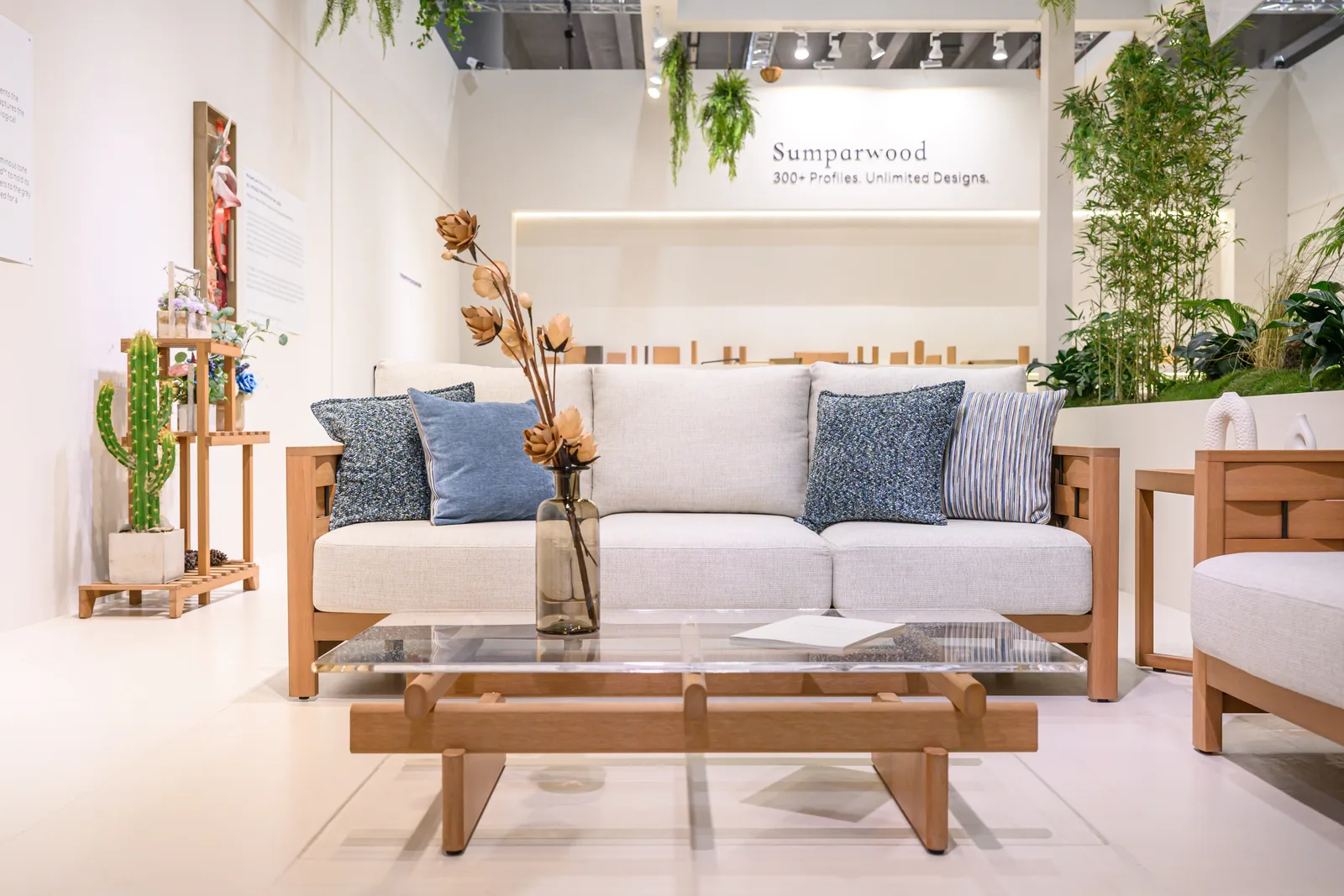
A replacement outdoor cushion cover needs to match a particular cushion, not simply a fabric colour. Start with the furniture maker, model and order reference. Identify the exact seat, back or module. Then ask the original supplier or an upholsterer to confirm the construction, measuring method, fabric and quantity before ordering.
For a hospitality team, this is a small procurement task with a surprisingly specific brief. A terrace may contain furniture bought in different years, similar-looking cushions and items moved between areas. “Six grey covers” leaves too much open. Six covers for which parts, on which furniture, using which approved fabric?
The following workflow is an editorial working aid for existing furniture. It is not a universal sizing system. Use it to prepare a clear enquiry, keep unconfirmed details visible and obtain a written specification from the person making the replacement.
1. Find the furniture maker before the fabric
A textile label is useful, but it may identify the fabric supplier rather than the company that made the cushion. Sunbrella's consumer support page makes that distinction and directs replacement enquiries first to the original retailer or manufacturer. Its fabric is used by independent finished-product makers. Read Sunbrella's replacement guidance.
Start a folder for the item. Look for the purchase order, invoice, furniture schedule, delivery record and any maker label already accessible. Record the brand and model exactly as supplied. If the model is uncertain, write “unconfirmed” rather than selecting the nearest-looking product from a current catalogue.
Send the supplier a full view of the furniture alongside the information you have. Ask whether it can identify the original order and whether a replacement is available for that exact version. A product with the same commercial name is not, by itself, your supplier's confirmation of fit. Keep that confirmation attached to the enquiry.
2. Give every cushion a location and a job
Separate seat cushions, back cushions, loose scatter cushions and any padded furniture panels. Use plain identifiers such as Terrace A, chair 04, seat. For modular seating, include the module and its position. Explain what “left” means in your photograph instead of assuming the reader shares your viewing direction.
KING offers a useful manufacturer-specific example. Its Legacy Tags identify orders and parts, and its guidance explains that modules have individual tags, including on its outdoor sofas. It also asks customers to mention modules added through later orders. That is KING's identification system, not a system used universally or a Sumparwood feature. Read KING's Legacy Tag explanation.
For your own inventory, put one item identifier beside each set of photographs. Count the installed pieces, the pieces needing replacement and any spare covers requested as separate quantities. If two cushions appear identical, ask the supplier to confirm whether they share a replacement specification before grouping them together.
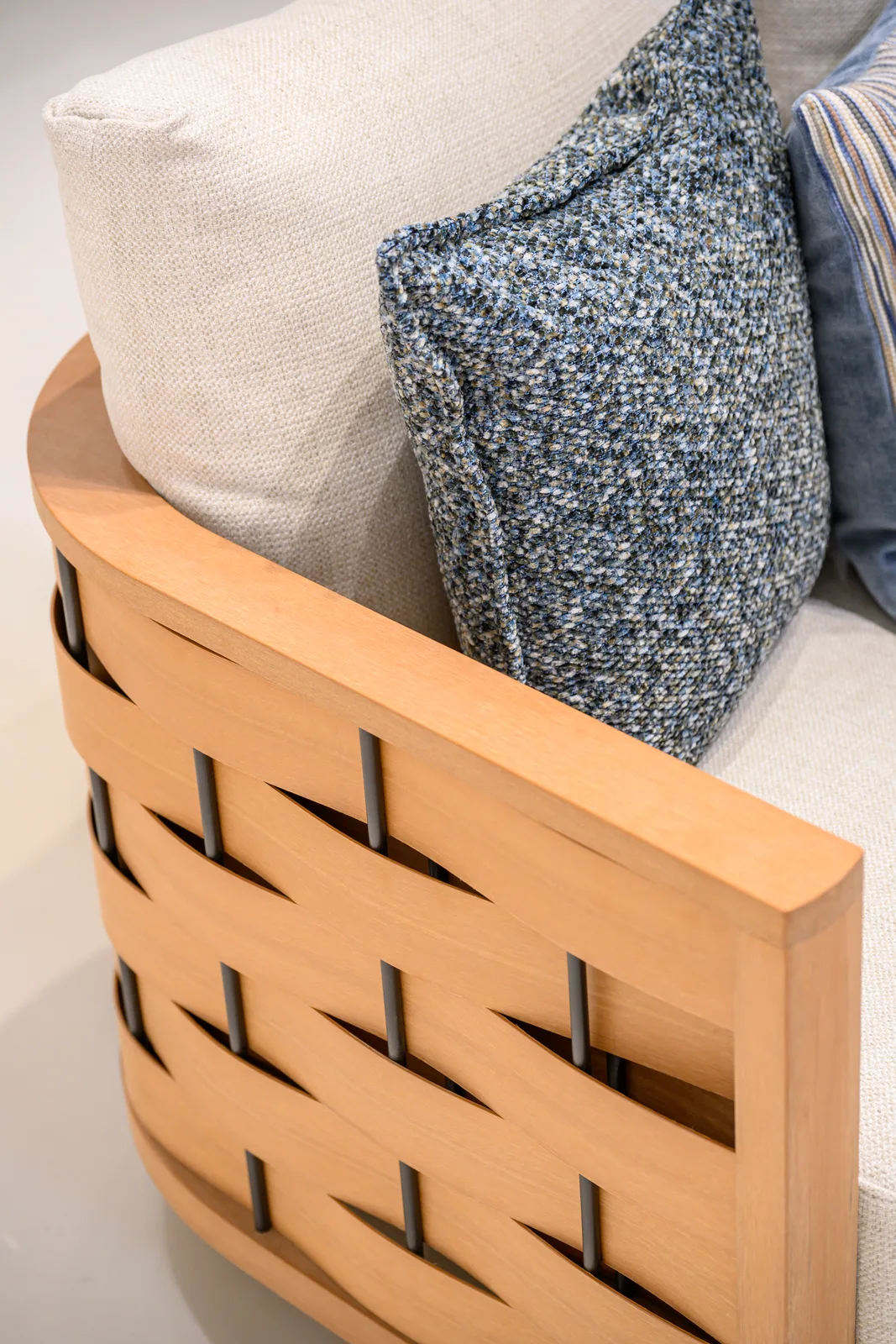
One furniture item.
Several different parts.
3. Photograph what is there, without forcing access
Prepare a small, readable photo set: the whole item, the cushion in its normal position, its front and back where safely accessible, and any visible closure, attachment or label. Include a close view of the feature you cannot describe. Keep the item identifier with the files so that a closure photograph cannot be mistaken for another cushion.
Do not pull apart fixed upholstery to complete the photo list. A seam is not a removal instruction, and a visible zip does not tell you everything about how a casing should be handled. Ask for the maker's procedure if access is unclear. Remove unrelated personal details from copies of labels shared beyond the people handling the enquiry.
Sunbrella's upholstery care guidance advises consulting the furniture manufacturer before removing a casing, because cushion construction varies. Treat this as a reason to obtain product-specific instructions, not permission to apply one cleaning or removal procedure to every outdoor cushion. Read the upholstery care document.
4. Agree how measurements will be taken
Ask the maker or fabricator what it needs before sending dimensions. Does it want the existing cover, the cushion insert, the furniture opening, a drawing or a physical sample? Ask which points to measure, in what condition and in which units. Label any preliminary measurements as provisional.
There is no universal allowance in this guide. Do not add an assumed amount for seams or subtract an amount for a tight fit. A photograph can help explain a shape, but the supplier should say what further information is needed to make it. For rounded, tapered or otherwise shaped pieces, ask whether it requires the original pattern or an existing sample to review.
Sunbrella's fabric estimator describes its quantities as estimates, notes pattern matching and directs readers to their upholsterer for exact requirements. Use an estimate for an early conversation, not as an instruction to buy the final fabric quantity. See the fabric estimator.
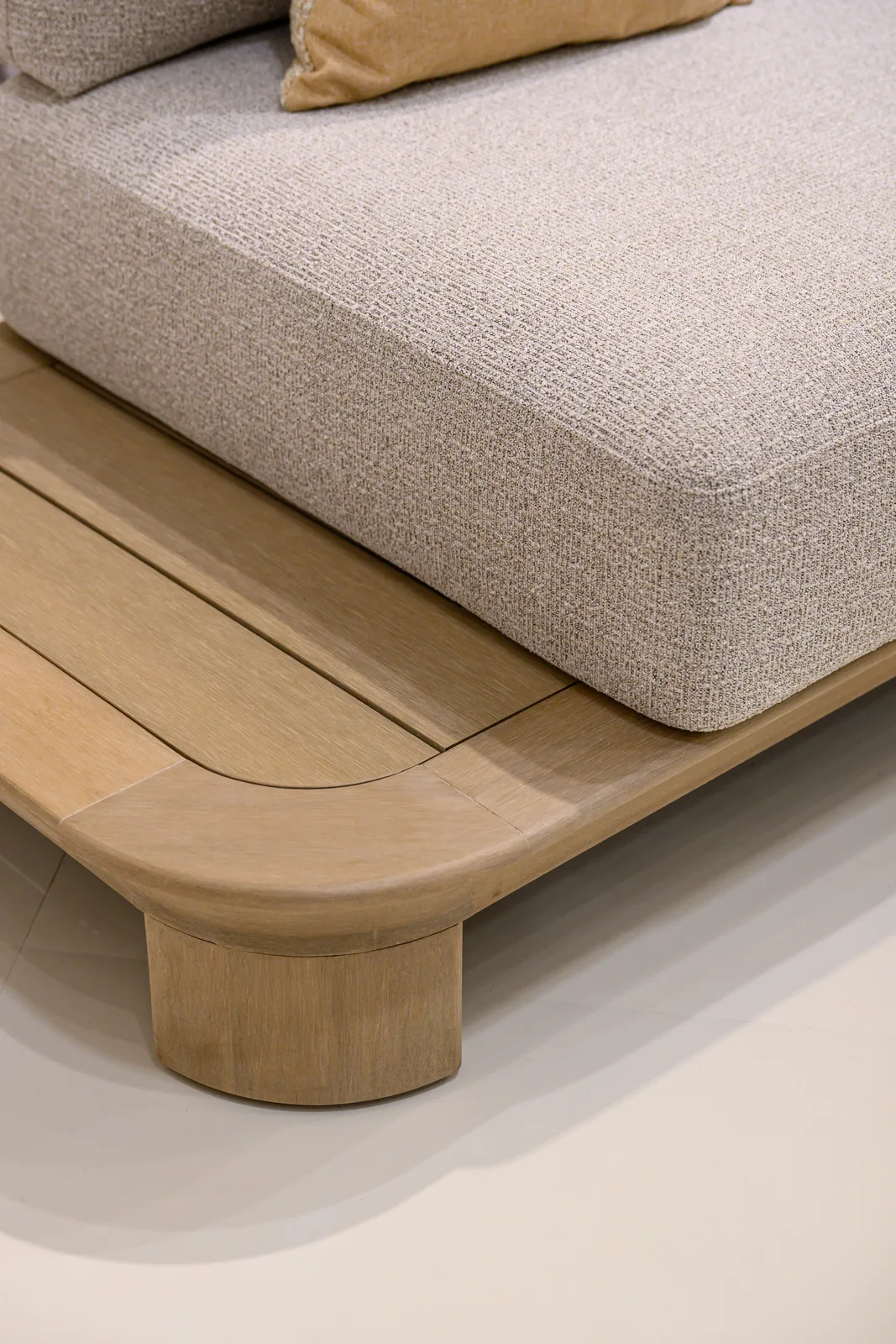
Describe the shape.
Confirm the pattern.
5. Separate the cover from everything inside it
State what you want quoted: the outer cover only, a replacement insert, or a complete cushion assembly. Ask the supplier to list what is included. Do not let the word “cushion” stand for three different purchasing decisions across the enquiry, quotation and order.
Record any concerns about the existing insert separately, such as a changed shape or a condition that needs inspection. A new cover is not an assessment of the filling underneath. If the supplier needs to inspect the assembly, agree that step before treating the order as settled.
This article addresses replacement identification after furniture is in use. If you are developing a new chair and deciding how upholstery should be accessed, start with fixed versus removable outdoor upholstery. The design decision and the spare-part request belong to different stages.
6. Confirm the fabric as a specific reference
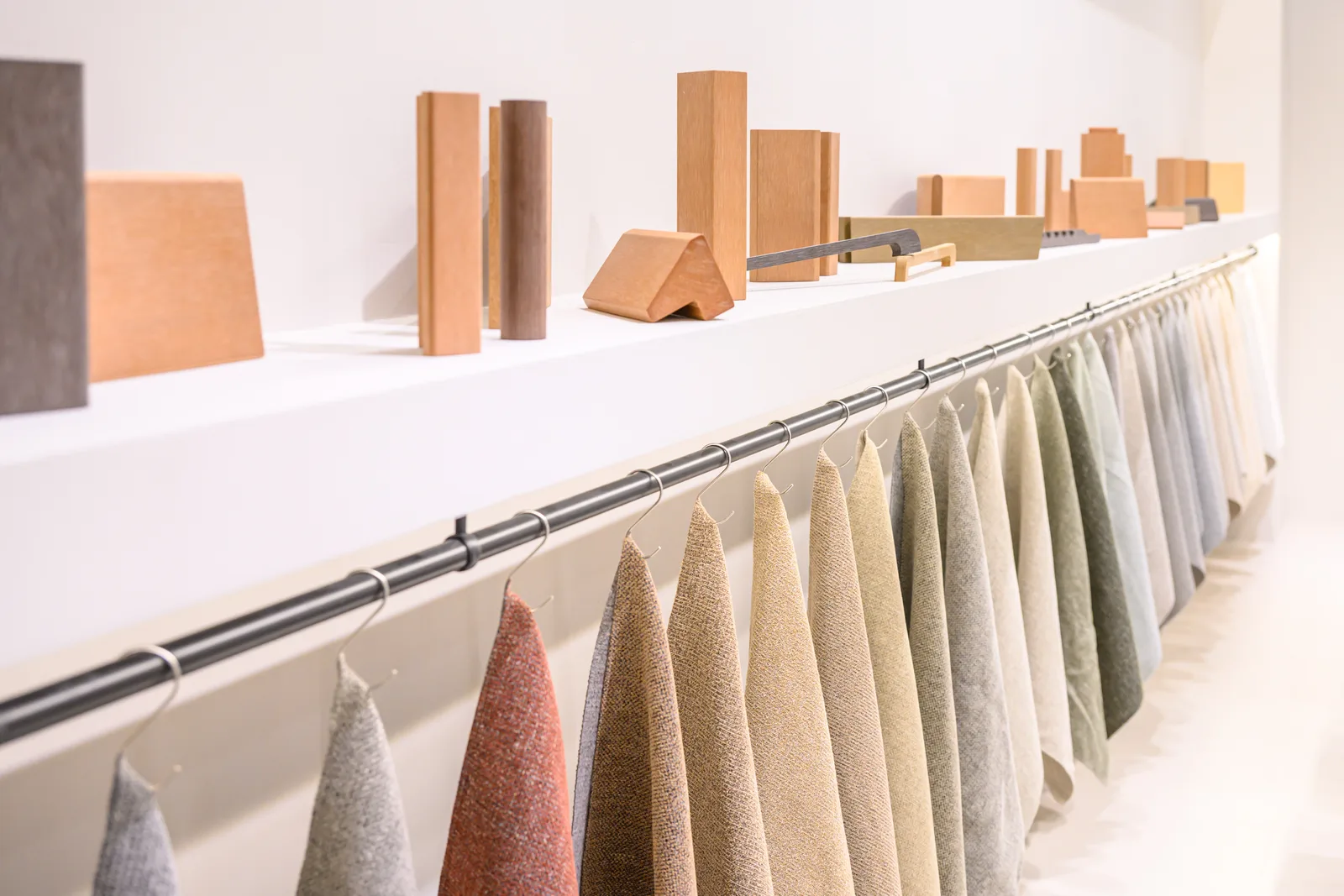
Record any known fabric maker, range, colour reference and original order details. If only a visual description is available, say so. “Grey woven fabric” is an observation, not a confirmed product code. Request a current physical sample when appearance matters, and ask the supplier to confirm what it can actually source.
If the original reference is unavailable, treat the proposed alternative as a new decision. Compare the sample beside the furniture and identify which items will receive it. Ask the supplier about suitability for the intended assembly, the care instructions and any construction changes it proposes. Do not assume that a familiar fabric name settles the complete replacement specification.
Keep technical questions separate from visual approval. Our guide to reading outdoor upholstery fabric test reports explains how to check what a report covers. A test result for a fabric is not confirmation that a newly made cover fits your existing cushion.
7. Build the Replacement Cover Request
Use these seven fields as a shared enquiry sheet. This is an original editorial aid, not a manufacturer form. Leave unknowns marked “to confirm”. The useful outcome is a reply resolving those unknowns, not a form that looks complete because someone guessed.
- Furniture identity: maker, model, purchase date if known, order reference and the supplier handling the enquiry.
- Item and location: site area, furniture identifier, module, seat or back, and a photograph showing its position.
- Existing part information: accessible label or part number, previous replacement history and any differences from the original order.
- Photo record: whole item, front, back and accessible closure or attachment. Keep private label details out of broadly shared copies.
- Sizing instruction: supplier's measuring method, units, confirmed dimensions and whether a pattern or physical sample is required.
- Fabric and scope: existing reference, proposed replacement, sample decision, cover-only or complete-cushion scope, and included attachments.
- Order confirmation: quantity for each identified part, outstanding questions, written specification, care instructions and agreed delivery details.
For example, a hotel could record “Terrace A / chair 04 / seat / cover only / fabric reference awaiting supplier confirmation”. This is a hypothetical entry, not a Sumparwood client case. It shows how a short description can preserve both identity and uncertainty.
8. Close the enquiry before placing the order
Compare the quotation against the request line by line. Can you connect each quoted part to a photographed item? Are quantities separated by part? Is the selected fabric reference written down? Have sample, pattern or measurement questions been answered by the supplier?
If a detail changes during the conversation, update the request and mark the earlier version as superseded. Save the final confirmation where the operations team can find it, together with delivery and care information. For a wider project record, see our service-information handover checklist.
After receipt, follow the supplier's fitting instructions and check the delivered items against the confirmed order. Report any discrepancy with the relevant identifier and photographs. Keep the final part reference in the furniture record so that the next replacement request starts with information rather than another search.
Questions before ordering
Is the fabric label enough to order a replacement?
No. It helps identify the textile, but you still need the furniture and cushion identity, construction and supplier-confirmed fit. Start with the original finished-product retailer or maker.
Can a photograph establish the correct size?
Not on its own. Use photographs to identify the item and explain its shape. Let the fabricator specify the measurements, pattern or physical sample it needs before it confirms the order.
Does a replacement cover include the filling?
Only if the quotation explicitly includes it. Ask for cover-only, insert-only or complete-cushion scope to be written clearly, with quantities for each part.
Carry the information into the next design
A replacement enquiry can reveal information that would have been useful at the original handover: part identifiers, access instructions and a clear fabric reference. Feed those questions into the next furniture development brief.
Sumparwood works on material and furniture-development conversations. This Journal is not an offer of spare covers for other brands or an upholstery recovery service. For a new design using Sumparwood, start a material and development discussion and bring the component, appearance and service questions together early.