The reference folio · 01 October 2026
Outdoor furniture
finish specifications.
One clear reference.
When the sample, drawing and purchase schedule disagree,
start with the component. Then reconnect the records.

A drawing names one finish. The sample on the studio table suggests another. The purchase schedule still carries an earlier description. Each document may look complete on its own, yet the workshop has three different instructions for the same component.
An outdoor furniture finish specification should make that disagreement visible before it becomes a production decision. Identify the item, connect it to a named physical reference, and ask the responsible parties to resolve the mismatch. Then update the affected records together. A newer email or a more attractive image is not, by itself, an agreed instruction.
This guide is for design and procurement teams coordinating an existing design. It does not tell you which finish to choose, set contractual precedence, or prescribe a universal colour tolerance. It offers a compact way to turn an ambiguous reference into a question that someone can answer.
Start with one component
Avoid opening the discussion with “the colour is wrong”. Name the piece and the affected part first. A chair can have a frame finish, an upholstered surface and visible hardware, each with its own reference. A note about the frame should not silently change the fabric.
Use the item identifier already shared by the drawing and schedule. If those identifiers differ, record both and ask the team to confirm the relationship. Include the drawing detail or component description needed to distinguish a chair arm from a table edge.
Limit the first review to that identifiable component. A precise question is easier to resolve than a request to check every finish in the project. Once the cause is understood, the team can decide whether other items share the same discrepancy.
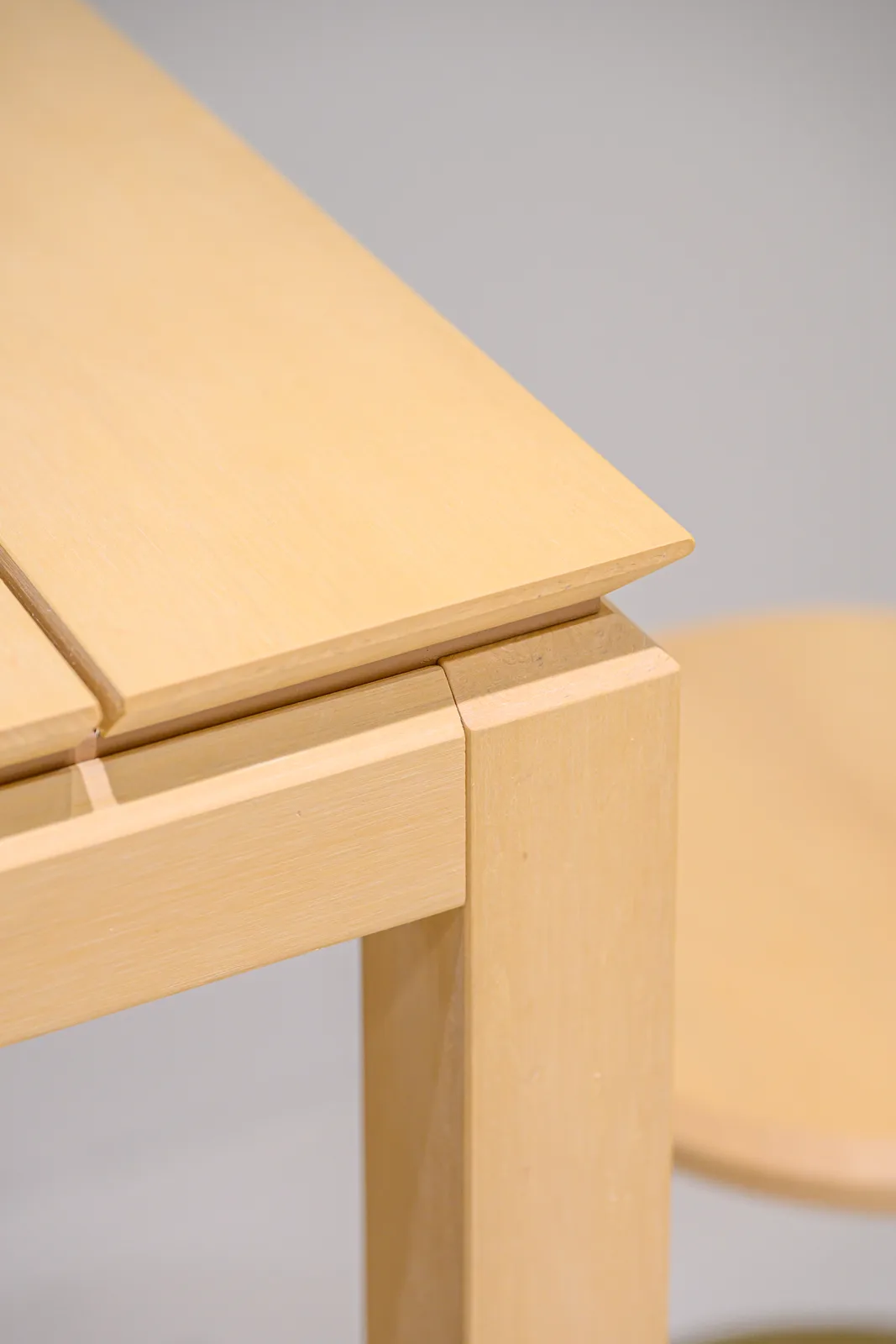
A finish belongs
to a named part.
Give every reference a purpose
A moodboard communicates direction. A photograph communicates an appearance in one image. A labelled physical sample can provide an agreed review reference. A purchase specification records what has been instructed. These objects are connected, but they do not automatically perform the same job.
RAL distinguishes its creative colour tools from register cards and plastic samples used as binding references within its own colour systems. That distinction is useful: identify what a reference is meant to do before using it to settle a decision. It does not mean that a Sumparwood finish has a RAL equivalent. RAL colour samples
When reviewing the Sumparwood palette, use the screen to begin a conversation about direction. Bring the physical sample into the review before recording a finish decision. Keep its identifier with the relevant item rather than relying only on a familiar finish name.
Put the disagreement into words
Collect the current drawing reference, purchase description and sample label. Record their versions and dates as they appear. Do not quietly replace an older entry while investigating; the difference may explain how the uncertainty arose.
Then write a short discrepancy statement. For example: “The frame description on drawing revision B differs from the finish named in the current purchase schedule. Sample S-03 is present, but its approval status is not recorded.” This is a hypothetical example, not a Sumparwood project record.
That statement separates three questions: what the documents say, which sample is available, and whether a decision has been authorised. It avoids assuming that the latest file must be correct. Ask the designated project contact who should resolve the instruction, and retain the unresolved status until an answer is recorded.
Keep the decision beside the specification
A useful response explains both the selected reference and the records it replaces. “Use the approved sample” still leaves work to do if several samples are circulating. Name the sample, identify the component, and point to the affected drawing and schedule revisions.
NBS describes specification notes as a way to record project decisions alongside a developing specification and share changes with the team. That is a construction-software example, not a furniture contract rule. The transferable practice is to keep the reason for a decision close to the record that carries it. NBS specification notes
The format can be modest. A dated note attached to the relevant schedule may be enough for a small review. What matters is that the workshop and purchasing team can find the same answer without reconstructing a chain of messages.
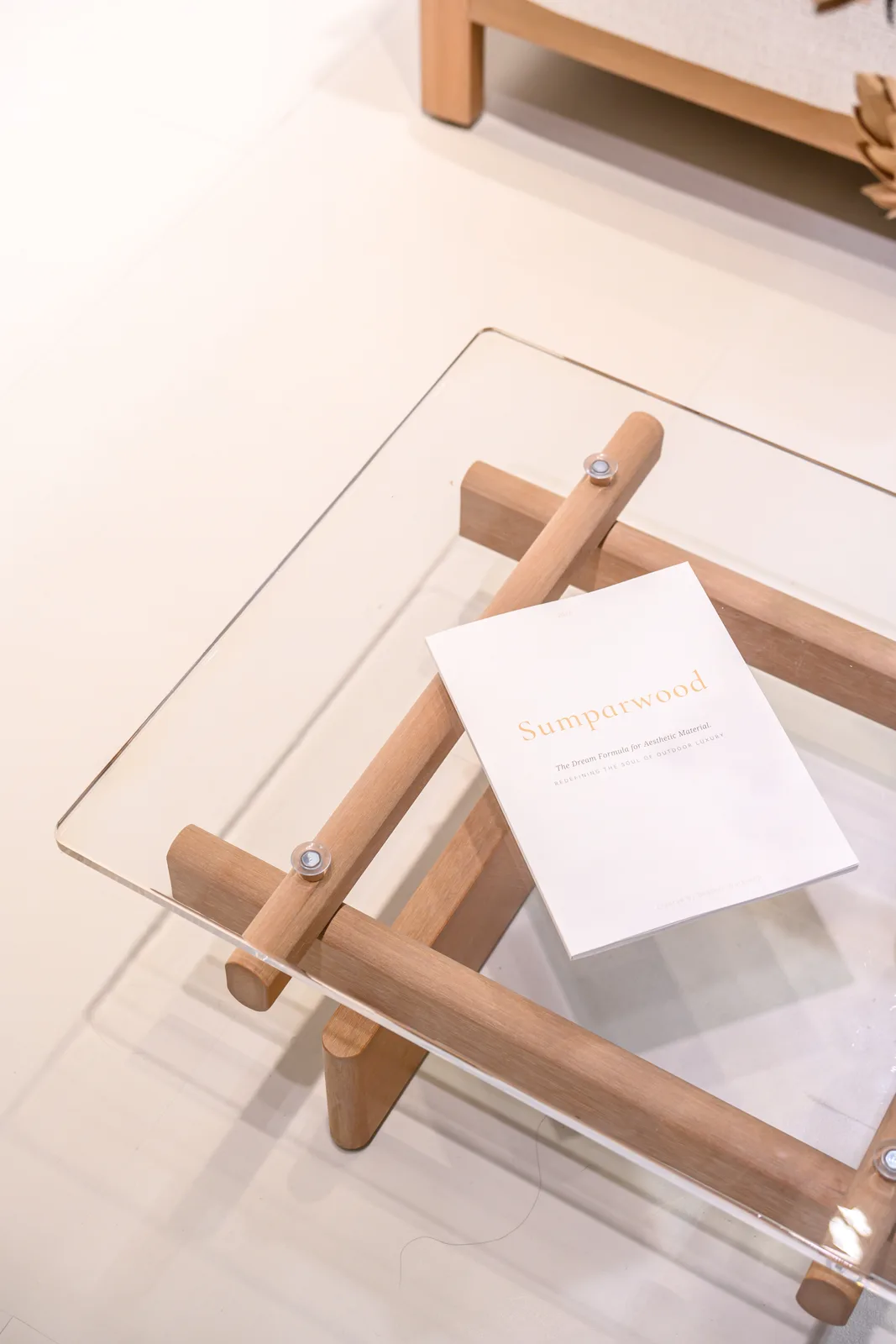
Keep the decision
where it can be found.
Check the purpose of the issue
An information set issued for discussion may contain open questions. An issue intended to instruct the next activity needs its status to be clear. Do not let a review image move into a production folder with its unresolved questions left behind.
The RIBA Plan of Work describes stage outcomes and information exchanges for building projects. It is not a required process for every furniture commission. Its relevance here is limited but practical: understand the purpose of an information exchange before deciding whether the record is sufficient. RIBA Plan of Work
Ask what the recipient is expected to do next. Review appearance? Confirm a reference? Prepare a sample? Proceed under an agreed instruction? Put that purpose on the issue so an invitation to comment cannot easily be mistaken for a completed decision.
Record a changed requirement
Sometimes the documents conflict because the design genuinely changed. A project team may have selected a different finish direction after seeing a physical sample. Treat that as a change to be documented, not an error to erase from the record.
RIBA's Plan for Use guidance describes revising activities as understanding of the design and client requirements develops, while retaining a record of risks. Its scope is buildings, not furniture performance. Here it supports the narrower habit of recording why an earlier reference no longer applies. RIBA Plan for Use
Write the reason in plain language. Note which components are affected and which remain unchanged. Ask the responsible parties whether a further sample or review is needed. This guide cannot decide that for an actual project, and a written change alone does not demonstrate the appearance of the resulting part.

The Finish Reference Record
Use these seven fields as an editorial working aid. They are not a standard form, a contract amendment or a substitute for your project's agreed approval process. Keep unresolved fields visible rather than filling them with assumptions.
- Item and component. Identify the furniture item and the exact part under review. Add the drawing detail reference where it helps locate that part.
- Finish name or code. Copy the proposed description accurately. Distinguish an internal project code from a supplier's finish name instead of treating them as interchangeable.
- Physical sample. Record its identifier and review date. State whether it is available, under review or confirmed by the responsible parties. Do not invent missing approval.
- Drawing revision. Identify the relevant drawing and revision. Include the detail that contains the finish instruction, not only the general project folder.
- Purchase specification. Record the corresponding schedule or order reference and revision. Keep the supplier-facing description visible to the review team.
- Discrepancy and owner. Describe the conflict in one or two sentences. Name the person or role responsible for obtaining the resolution under the agreed project process.
- Resolution and status. Record the dated response, affected references and next action. If the decision remains open, say so and identify what information is needed.
Save the record where the team already keeps item information. It should reduce searching, not create an unrelated second filing system. A short record with clear ownership is more useful than a detailed form nobody updates.
Close the loop across the affected files
After the responsible parties confirm the resolution, check each affected reference against it. A corrected drawing does not automatically correct a purchase schedule. A replacement sample does not automatically explain why an earlier sample should no longer be used.
Mark superseded references clearly within the team's existing process and preserve the history where required. Make the current instruction easy to identify for its intended recipients. Ask whether the workshop has the same sample reference and issue status as the design and purchasing teams.
This is the narrow finish-coordination step inside a larger process. For development stages, see the material approval workflow. For the wider record and its responsibilities, use the handover documentation guide. Neither link replaces the specific decision needed for the component in front of you.

Questions before the next issue
Can a screen image settle the finish?
Use it to communicate direction and identify the question. Do not silently promote it into a physical approval reference. Record which sample or other reference the responsible parties have actually agreed to use, and what the next review should establish.
Does the newest document always take priority?
This guide does not establish document precedence. A date helps identify a version, but it does not prove that a change was authorised. Refer the disagreement to the person responsible under the project's agreed process rather than choosing a winner yourself.
What should travel with a changed finish?
The component identifier, agreed reference, affected revisions, dated resolution and intended next action should remain connected. If a sample review is still required, keep that limitation visible. Do not describe the record as complete simply because the fields contain text.
Bring the physical reference into the conversation
For a Sumparwood development discussion, begin with the component you want to make and the finish direction you are considering. Share the relevant drawing reference and any unresolved question. A physical Sample Box gives the conversation a material reference beyond the screen.
The aim is not more paperwork. It is one understandable instruction, tied to the right component and supported by an identifiable reference, so the next person knows what has been decided and what still needs review.