At ground level
Specify the feet,
not just the chair.
Outdoor furniture glides.
A small detail, a separate decision.
30 September 2026 · 8 minute read
Read the Foot-to-Floor Schedule
A chair can be approved in almost every visible detail while one important question remains unanswered: what will touch the floor?
The drawing shows a curved back, a carefully chosen finish and a seat with the right proportions. The furniture schedule names the model. The flooring schedule names the surface. Somewhere between those two documents sits a small component that needs its own decision.
For outdoor furniture glides, start with the chair model and the actual floor. Ask the furniture supplier to identify the proposed part, and the flooring supplier to confirm its compatibility with the specified finish and conditions. Do not treat a generic description such as “floor protector” as a complete specification.
This is a coordination guide, not a recommendation for one universal glide material. The examples below explain why product-specific instructions matter. They do not establish that any illustrated furniture, flooring or component is suitable for your outdoor project.
Begin with a place, not a pad
Imagine a hospitality project with chairs used on a terrace and occasionally brought into an adjacent dining room. This is a hypothetical briefing example, not a completed Sumparwood installation.
The team has selected one chair model to keep the visual language consistent. That does not settle the floor-contact detail. First, list where the chairs will actually stand. Record the terrace surface separately from the dining-room finish. Include any permitted movement between them.
Avoid labels such as “stone floor” or “hard floor” when a more precise reference is available. Ask for the flooring product, finish, supplier and care document. Where the surface is existing rather than newly specified, record what is known and what still needs identification.
Then describe the intended use. Will staff relocate the furniture? Is the area exposed or covered? What cleaning routine is planned? These are questions for the suppliers to assess, not grounds for assuming that a particular pad will work.
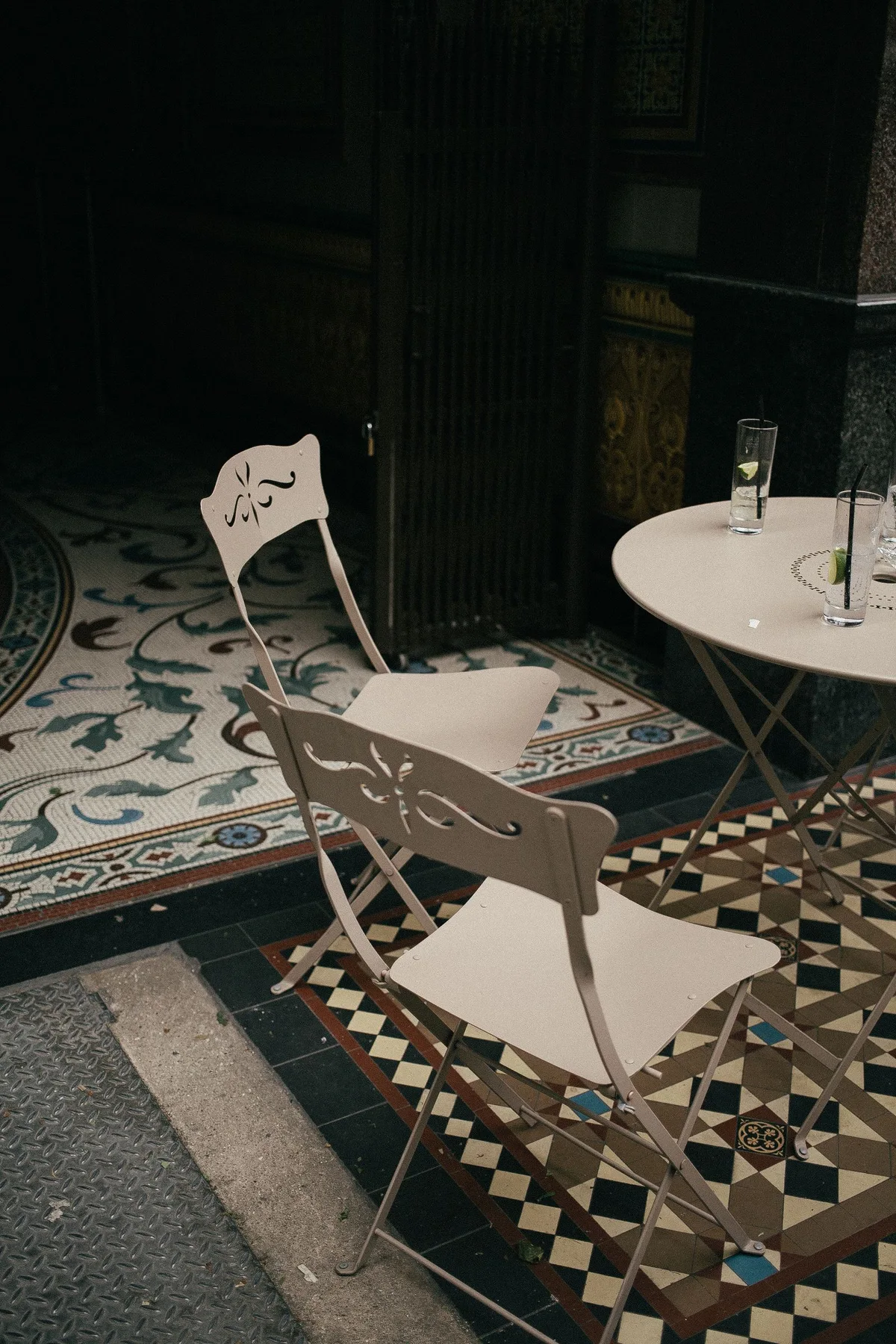
The location is part
of the specification.
A glide belongs to a furniture model
Emeco describes its glides as model-specific components and distinguishes applications including hard floors, carpet and outdoor use. Its guidance directs customers to confirm the appropriate glide for both product and floor. That is a useful example of how narrowly a component choice can be defined. Emeco: About glides.
For a custom furniture brief, request a part reference rather than a photograph alone. Ask how the proposed component fits the leg, whether it is included in the drawing revision and whether the supplier has approved that combination.
Two pieces that look similar are not necessarily interchangeable. A visual comparison cannot confirm their attachment, dimensions or intended application. If the supplier has not identified the part, keep the schedule open rather than filling it with a plausible generic description.
For an existing chair, start with its model and production information. Send the manufacturer a clear underside photograph if requested. Do not drill, substitute fittings or change the frame simply because an online replacement appears to fit.
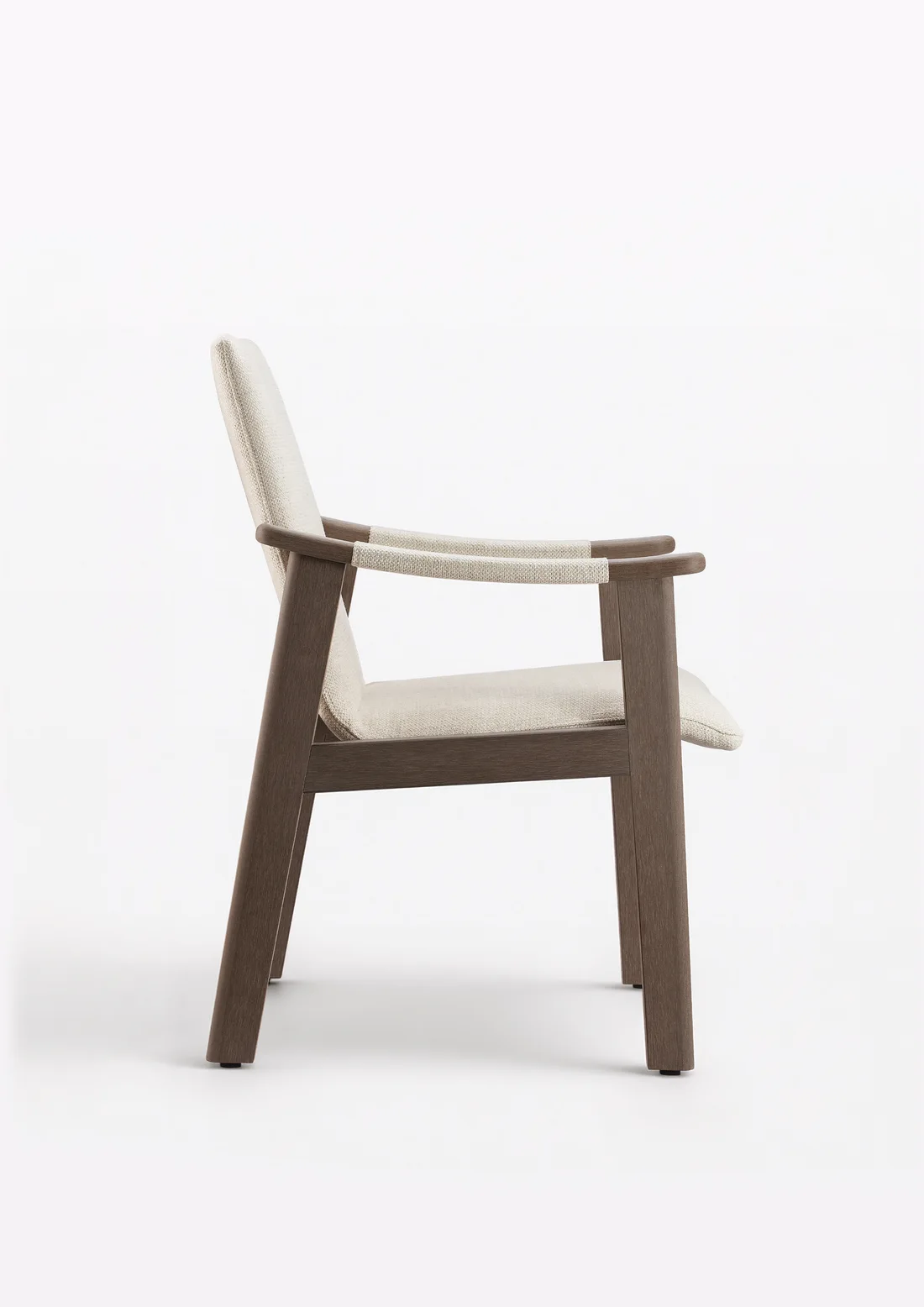
“Soft underneath” is not a specification
Floor-care advice is not interchangeable across finishes. Tarkett's laminate-care page recommends smooth hard plastic or metal rests or glides for frequently moved furniture and explicitly advises against felt pads. That instruction belongs to the laminate flooring covered by that page. Tarkett Home: Laminate care.
By contrast, Tarkett's vinyl-care guidance mentions protective pads such as felt beneath furniture. It also cautions against rubber-backed items because of possible staining or discolouration. These are vinyl-care instructions, not an endorsement for exposed terraces. Tarkett: Vinyl care.
The lesson is not to choose one page over the other. It is to match the instruction to the exact floor. A familiar material name can conceal a very different application.
For the hypothetical terrace project, neither indoor example settles the outdoor decision. Ask the relevant suppliers for written guidance covering the actual surface and intended conditions. If their advice differs, resolve the difference before closing the component selection.
Keep glides and wheels separate
A fixed foot and a rolling component should not be recorded as if they were the same option. Name the component clearly in the schedule and ask the supplier to explain its intended use.
Herman Miller's Caper product page, for example, describes a carpet-only glide and a separate hard-floor-or-carpet caster. This is a model-specific indoor example of differentiated choices. It is not evidence that those components belong on outdoor chairs. Herman Miller: Caper options.
Where a design includes wheels, review that arrangement separately with the manufacturer. A photograph may establish that a wheel is present; it cannot establish approved movement, loading or floor compatibility. Keep those answers attached to the actual product documentation.
This distinction also keeps the article's subject clear. Planning how furniture moves into storage is a separate task, covered in our stackable-chair storage guide. Here, the decision is what belongs at the contact point with the floor.
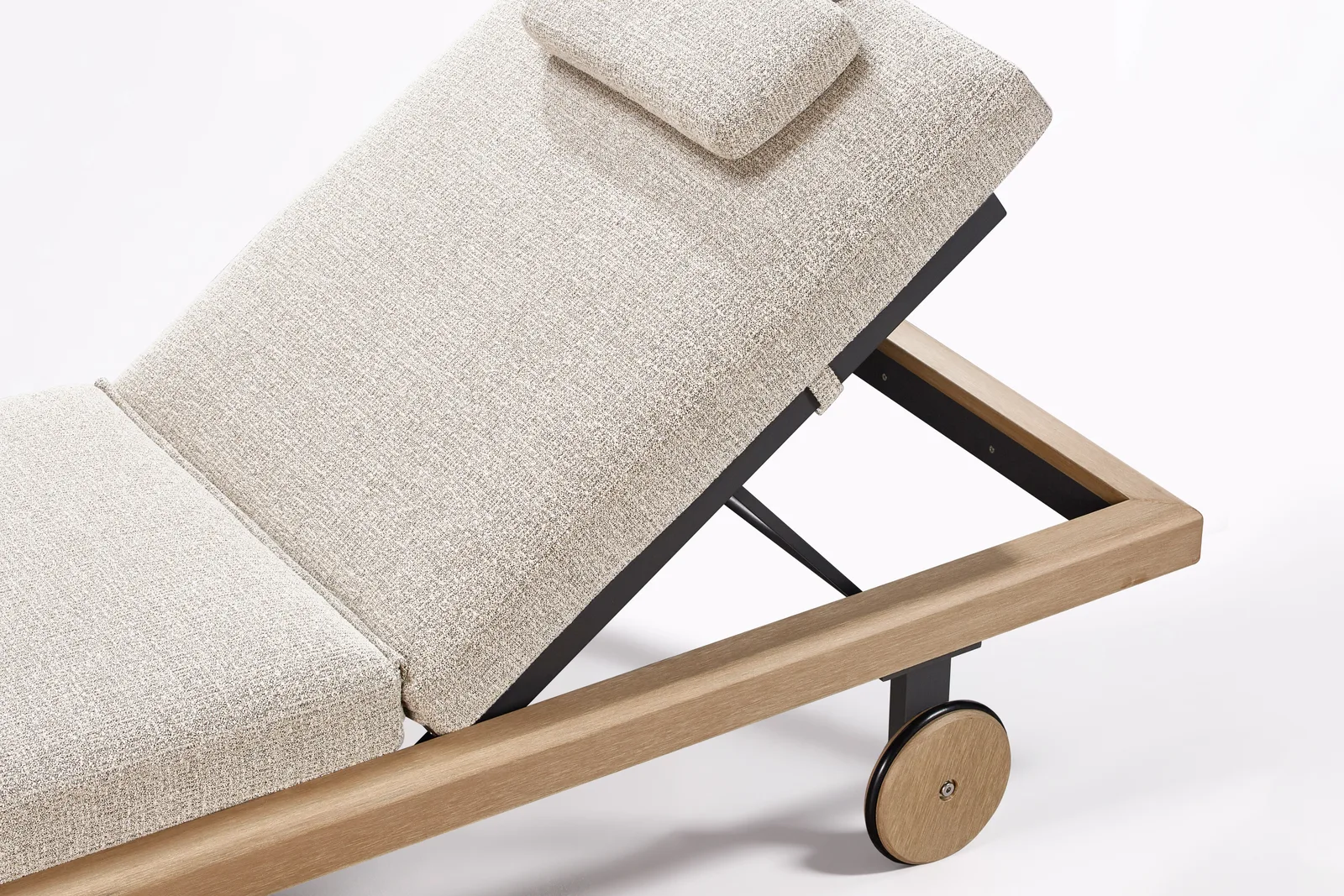
Bring the floor into the sample review
An approved colour sample and an approved furniture drawing answer different questions from a foot-to-floor review. Keep all three, but do not let one stand in for another.
Ask the furniture and flooring suppliers what sample review they recommend. Agree on the actual components, representative floor finish, conditions and questions to be observed. Have the relevant project professionals define any formal testing required; a casual sample demonstration is not a certification programme.
Photograph the arrangement and record the component reference. Note the date, participants and limits of the review. If a substitute floor sample was used, say so. If the intended outdoor conditions were not represented, leave that question open.
A useful outcome is a precise decision: this component is accepted for this documented application, or further information is needed. “Looks fine” is too vague to guide a later order, replacement or change of location.
Coordinate this review with the chair-and-table fit check. The projects may share a sample meeting, but their approvals should remain separate. Dimensional fit does not establish floor compatibility.
Make replacement part of the brief
Ask how the contact component can be inspected and replaced, who should perform the work and which replacement reference should be ordered. Record the supplier's instructions rather than inventing a procedure from the visible shape.
For a hospitality operator, the important handover is practical: where is the part identified, whom should staff contact, and what should happen if the correct part is unavailable? A generic link to a large accessories catalogue is less useful than a confirmed model and component reference.
Tarkett's laminate guidance also calls for periodic checks beneath floor protectors for dirt and debris. This supports including inspection in the conversation; it does not establish a universal interval for other floors or outdoor furniture. Let the relevant supplier and operator define the appropriate routine. Tarkett Home: Preventative maintenance.
Avoid promising a replacement lifetime without supporting product information. Instead, make the source of replacement advice easy to find and carry unresolved availability questions into the handover.
The seven-field Foot-to-Floor Schedule
Use one short record for each furniture-and-floor combination. This is a coordination aid, not a test standard or a guarantee against damage.
- Furniture identity. Record the model, drawing revision and the person responsible for confirming the supplied configuration.
- Contact component. Name the glide, foot or wheel. Include its supplier reference and the documented attachment arrangement. Mark missing details as unresolved.
- Floor identity. Record the actual flooring product and finish, or the information available for an existing surface. Attach the applicable care guidance.
- Location and use. Describe the intended area, exposure and any movement between different surfaces. Do not expand the approved location without review.
- Compatibility decision. Attach written supplier advice and any agreed sample-review record. State precisely what was assessed and what was not.
- Inspection and replacement. Identify the instruction source, replacement reference and responsible person. Confirm availability rather than assuming it.
- Open questions and release owner. List unresolved points, who must answer them and who may close the selection. An unanswered field is not an approval.
Keep this record with the furniture schedule. If either the furniture component or flooring finish changes, send the affected combination back for review. The original approval should remain readable, but it should not silently follow a new specification.
Three questions before ordering
Are felt pads always the right choice?
No universal choice follows from the examples above. The cited floor-care instructions differ by product family. Use the guidance for the actual flooring and obtain confirmation for the intended furniture and conditions.
Does an outdoor chair automatically have the right glides?
Do not assume that the chair's general description answers a site-specific floor question. Request the supplied component reference and confirm its intended application. The word “outdoor” alone does not identify the terrace finish.
Can a material sample approve the complete furniture detail?
No. A surface sample can support discussion of colour, texture and appearance. It does not document the assembled leg, its attachment or its interaction with a particular floor. Keep the material conversation and component approval connected but distinct.

Start the development conversation with the whole setting
When discussing a custom design with Sumparwood, bring the furniture concept together with the floor information and intended location. Add the questions that still need answers. This gives the development conversation a clearer starting point than choosing a finish alone.
Explore the material and palette, or request a Sample Box for a physical material review. Treat that review as one part of the brief, not proof of a complete furniture-and-floor combination. The smallest visible detail deserves the same clarity as the rest of the design.