The dispatch notebook
Outdoor furniture packaging:
plan the journey
before the box.
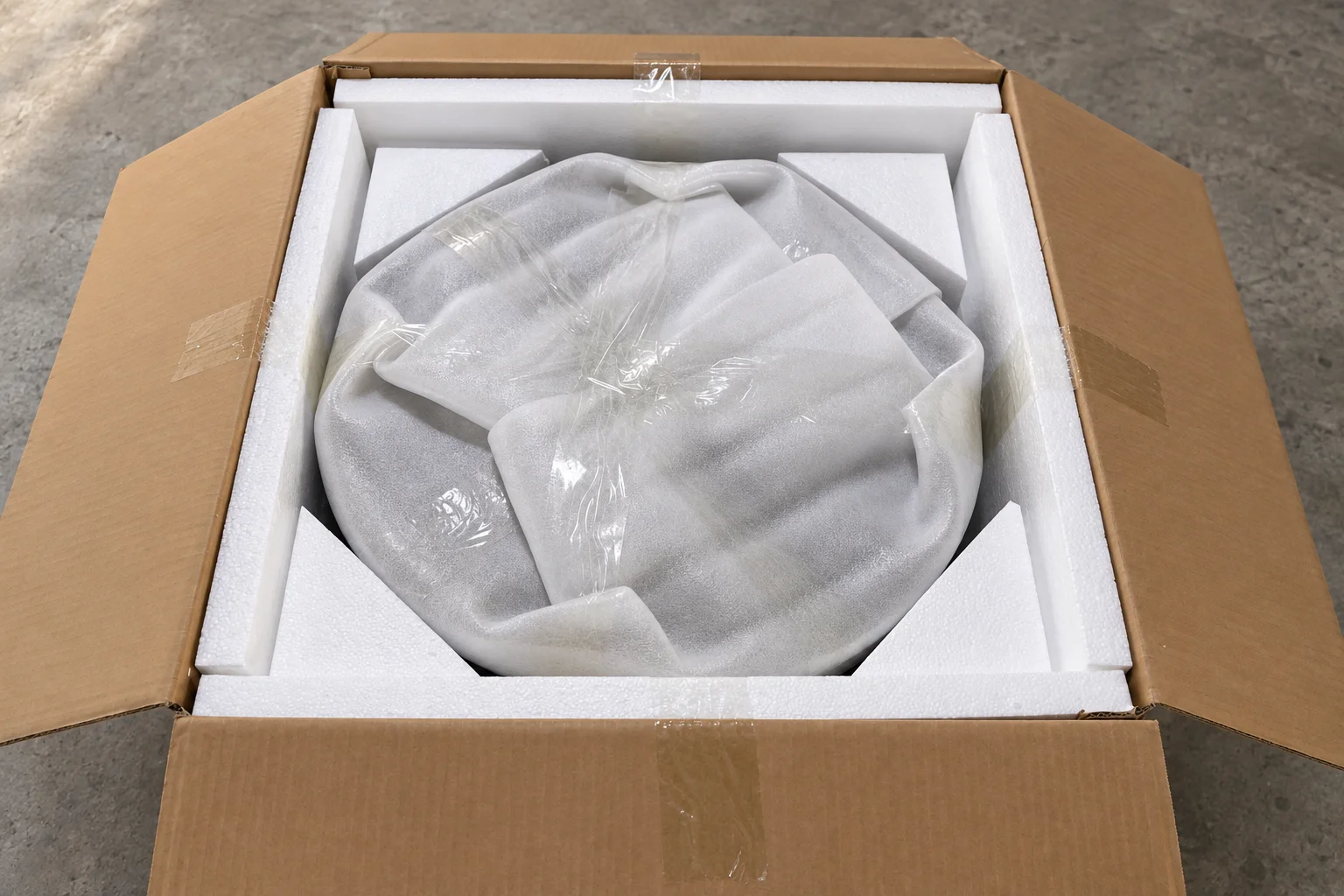
A chair can be approved long before anyone asks how it will travel.
The curve is settled. The colour is agreed. The upholstery sits neatly inside the frame. Then a different drawing arrives: the box, its supports and the space around the product.
That drawing deserves attention too. Outdoor furniture packaging is not simply a container chosen at the end. It is a separate development question: how will this particular piece move through this particular journey, and what evidence will support the proposed protection?
For furniture brands and design teams, a useful starting point is a short packing brief. It connects the design everyone has approved with the object the receiving team will unpack. It does not promise damage-free delivery. It makes the questions visible before dispatch.
First, describe the journey
“Shipping to the United States” is a destination, not a complete description of the journey. Write down the stages that are known, and mark the ones that still need confirmation.
Will one packed chair travel as an individual parcel? Will several pieces move together on a pallet? Will a shipment be separated at a distribution centre before the final delivery? Ask the logistics team to confirm the handling unit at each stage.
This distinction matters when discussing packaging evidence. ISTA separates early screening tests from simulations of particular transport environments. Its public catalogue describes Procedure 3B in relation to less-than-truckload distribution, where different packaged products share a load. That is not interchangeable with every other delivery route. ISTA test procedures
Do not begin by choosing a familiar test name. Begin with the actual distribution plan, then ask a qualified packaging laboratory which current procedure and configuration fit the task. If the route is unresolved, keep that question open rather than treating a generic report as a final answer.

Look at the furniture before choosing the protection
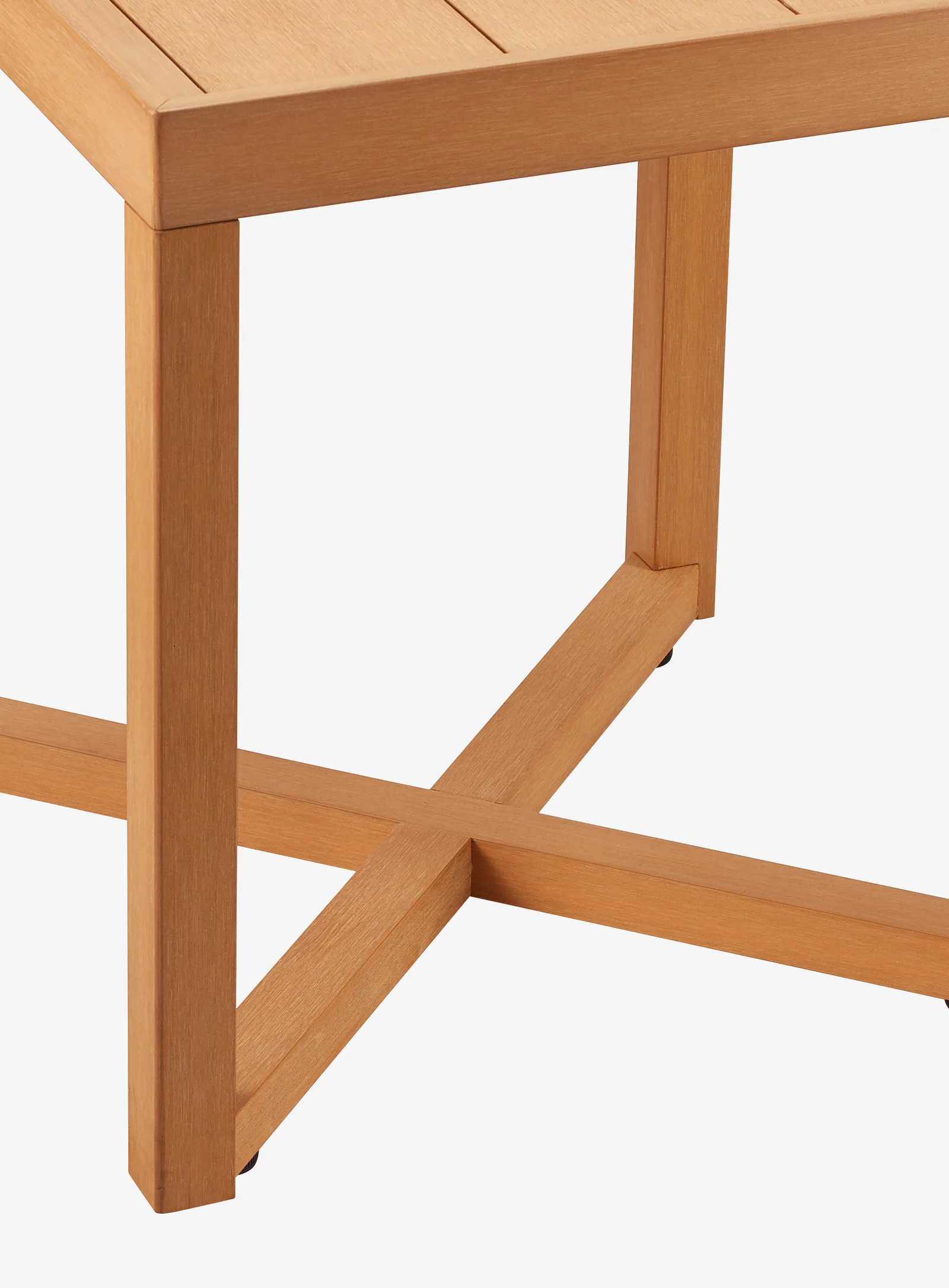
Lay out a front, side and rear view of the piece. Mark what projects beyond the main body, where a surface could meet packing material, and which separate components must arrive together.
On a chair, those observations might include an arm, a leg, a curved back or a loose cushion. These are prompts for inspection, not a claim that any one detail is weak. The drawing helps the designer and packing team discuss the same points.
FedEx's furniture guidance gives particular attention to exposed parts, corners, small hardware and movement inside a box. It also warns that its guidance is not comprehensive. Use such advice to inform a conversation with the carrier and packaging specialist, not as a universal specification. FedEx furniture packing guide
Only describe a part as removable when the approved product design and instructions establish that it is. A leg that looks separate in a photograph may not be intended for removal. The packing plan must follow the actual construction, not an assumption made from its appearance.
The package and product belong in the same discussion
A material sample and a packed chair answer different questions. The sample helps a team examine the material. The chair adds geometry, connections, upholstery and other components. The package adds supports, contact surfaces and its own method of handling.
The publicly available ISTA 3B overview, marked 2017, explicitly considers product and package together. It also describes limits to the transport conditions represented. This older overview is useful for understanding that boundary, but the laboratory must confirm the current full procedure before any test is commissioned. ISTA 3B overview, pages 2–3
In practical terms, ask to see what was inside the tested package. Was the product assembled in the same way? Were the cushions and accessories included? Does the proposed packing arrangement match the documented one?
A result should stay attached to the configuration it describes. It should not become a general statement that a material, a whole range of furniture or every possible shipment has been approved. Keep the report, product revision and packing drawing connected.
Give the handling unit a clear description
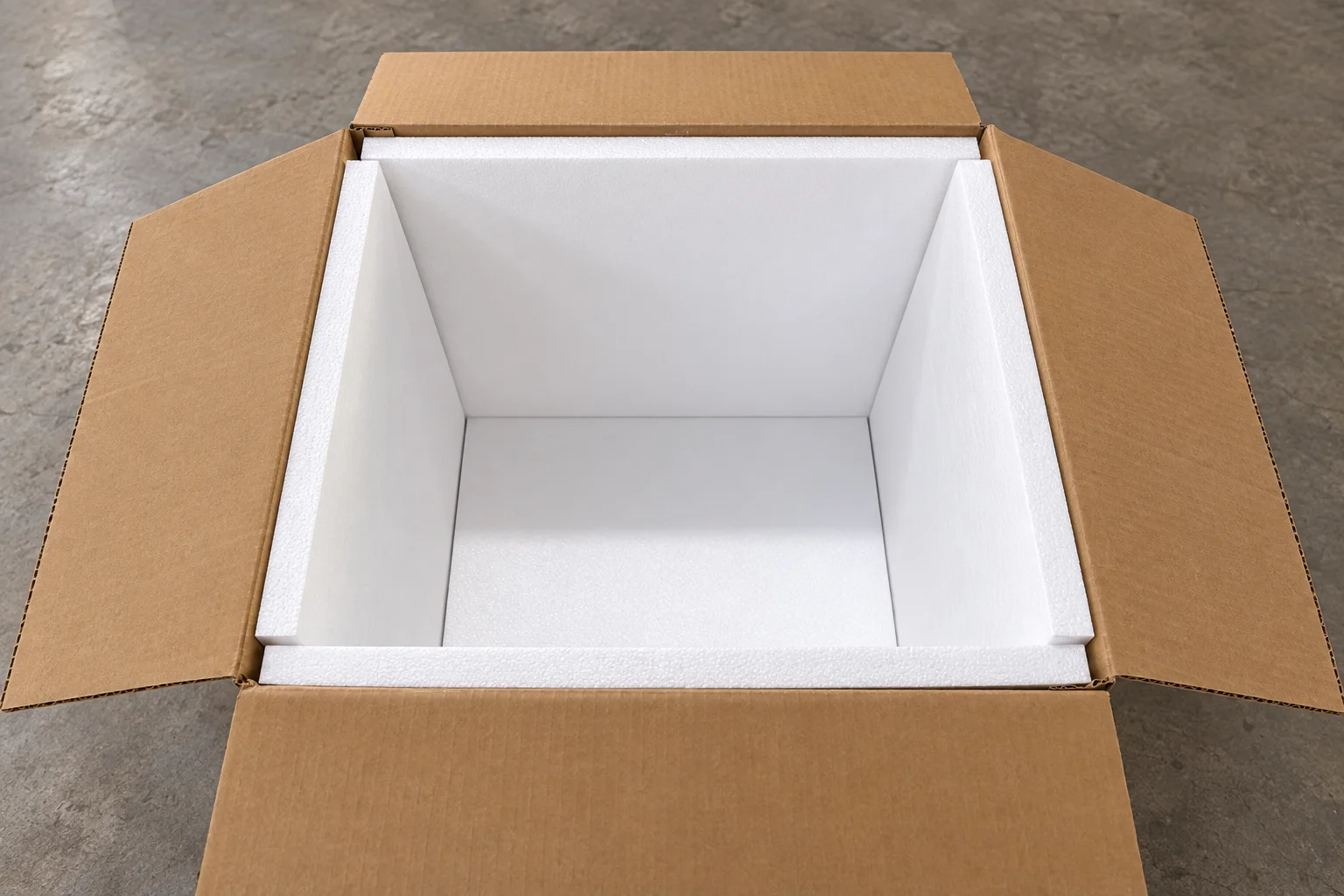
“Packed for export” leaves too much unanswered. Record whether the proposal is an individual box, a crate, a palletised load or another agreed arrangement. Include the packed dimensions and weight once they have been measured.
FedEx's freight guidance distinguishes packaging options such as pallets and crates and discusses handling access. Its advice is specific to the services and situations described. It is a useful reminder to resolve how a load will be moved, not proof that one arrangement will be accepted throughout an international route. FedEx freight packaging guide
Ask who will confirm the packing proposal with the actual carrier. Avoid copying a size limit, construction detail or handling instruction from another service into the brief without checking its applicability.
The same discipline applies to presentation. A neat box may communicate care, but appearance alone does not establish protection. Keep the brand presentation and the transport evidence as two related, distinct parts of the review.
Agree what the receiving team will inspect
Before testing or dispatch, define the condition that matters to the project. “Arrives in good condition” is a useful intention, but it is not a sufficiently clear inspection description.
The 2017 ISTA overview calls for damage criteria and acceptable package condition to be determined before testing. It also stresses documentation of the product and package configuration. The important principle is to decide what will be assessed before looking at the outcome. ISTA 3B overview
For the project brief, list the visible surfaces, components and functions that the responsible team will inspect. Where a judgement depends on an agreed reference, identify that reference. Do not invent tolerances or present a photograph as a substitute for a technical acceptance requirement.
As a practical editorial recommendation, plan photographs of the unopened package, the packing arrangement and the unpacked piece. Assign responsibility for taking and retaining them. These notes are not carrier claims instructions. Any contractual deadlines or claims requirements need separate confirmation with the parties involved.
A six-part Route-to-Arrival Brief
Use these six headings on one page alongside the packing drawing. This is a discussion tool, not a test certificate or an instruction to perform a laboratory procedure.
1. Journey. Record the destination, known transport stages and handling unit. Name the person responsible for confirming missing route information.
2. Product and packing revision. Identify the exact furniture version and the proposed packing arrangement. List separate parts and accessories so that the brief describes a complete shipment.
3. Contact points. Mark exposed forms and proposed contact areas on the drawing. Ask the packing specialist to review them against the actual product rather than a generic chair outline.
4. Protection and restraint. Describe the proposed supports and separation between parts. Keep proposals clearly labelled until reviewed and supported by the appropriate evidence.
5. Evidence and acceptance. Record the report, configuration, method and agreed assessment criteria. Note anything the evidence does not cover and who must resolve it.
6. Arrival review. Identify the receiving contact, required inspection records and the route for raising a discrepancy. Confirm carrier-specific procedures separately.
The value of this page is that a missing answer remains visible. It should be possible to tell the difference between an agreed detail, a proposal and an unresolved question without reading a long email chain.
One chair, two different questions
Consider a hypothetical development review for an upholstered outdoor chair. The designer approves the visible relationship between the frame and cushion. The packing team then proposes an arrangement for shipment.
These are two decisions, not one. Design approval does not automatically approve the packing arrangement. Equally, a transport test does not establish that the chair is comfortable or that its material meets the project's outdoor requirements.
The team can use the brief to connect the decisions without confusing them. Record the approved chair revision. Confirm whether any parts are intended to be packed separately. Ask which configuration the packaging evidence covers, then agree what the receiving team will inspect.
This example is illustrative. It is not a record of a Sumparwood shipment, test or packing system. A real project needs its own drawings, responsibilities and evidence.

Bring the journey into the development conversation
For teams exploring Sumparwood, the material discussion and the furniture discussion remain connected, but they are not identical. Our material introduction is a place to begin. The development story explains the collaborative direction, while the workshop provides context for the making side.
If material selection is still open, start with the evidence-led material guide. If the design is taking shape, bring the drawing and intended delivery route into the discussion. Make clear which product details are settled and which still need development.
A physical Sample Box supports review of the material itself. It does not validate the transport packaging of a finished piece of furniture. Keeping that distinction clear helps the next conversation begin with the right object and the right question.
Questions worth asking
Does an outdoor material test prove that the furniture is ready to ship?
No. Material evidence and transport-package evidence have different scopes. Ask what product, package and conditions each report actually represents.
Is there one packaging test for all outdoor furniture?
Do not assume so. The route, handling unit and test objective need to be matched with an applicable current procedure by the responsible specialist.
What if the packaging changes after a review?
Record the change and ask whether the existing evidence still applies. Do not silently carry an earlier approval across a different configuration.
Can the packing brief guarantee that no damage will occur?
No. It organises decisions and evidence. It does not remove every transport risk or replace the carrier's requirements.